 CEDS
CEDSSummary Background Land, Resources & Culture
Agriculture & Rangeland
Food, Fiber, and Open Space
Follow dairy, cattle, irrigated crops, orchards, and rangeland health through the water, workforce, market, and stewardship choices behind them.

The Landscape That Shapes Us Agriculture & Rangeland
Agriculture & Rangeland: Food, Fiber, and Open Space
Milk trucks, feed fields, orchards, and open range form a connected working-land economy. Dairy and cattle buy local feed, equipment, veterinary care, hauling, and repair. Hay and alfalfa support livestock production, while pecans and pistachios link irrigation and post-harvest handling to markets beyond the region. Rangeland provides forage, habitat, and a rural way of life across all five counties.
Water availability, salinity, energy costs, labor, and land condition shape whether that value can continue. The 2022 Census of Agriculture is a useful dated county baseline; it cannot answer whether a new withdrawal is available or whether a particular pasture is healthy today. The topics below connect production with the infrastructure and stewardship needed to keep it viable.
Dairy & Cattle
A perishable food chain depends on feed, water, cooling, reliable power, skilled work, and nearby services.
The Dairy Supply Chain
Dairy links feed growers, herd care, milking and cooling equipment, veterinarians, laboratory work, processing, and refrigerated transport. A farm produces the milk, but the economic footprint extends into repair shops, electrical contractors, drivers, and food-safety occupations. The 2022 Census of Agriculture offers comparable county profiles for Chaves, Eddy, and Lea; readers should use its dated figures as a baseline rather than assume any one year's herd or sales level is permanent.
The same system exposes a bottleneck quickly. If feed deliveries, power, cooling, water, or a processing connection fail, a perishable product has little room to wait. That makes infrastructure reliability and emergency planning part of dairy competitiveness.
Water, Waste, and Workforce
Feed crops, herd operations, and processing all require water, but they draw on different facilities and legal rights. Projects should document source, metering, quality, and the cost of pumping before claiming an efficiency gain. Nutrient management and groundwater protection must be planned with operators and regulators, while animal-care and processing schedules call for a stable workforce, safe commuting, and housing close enough to support round-the-clock work.
A Practical Planning Lens
Feed & Water
Trace how forage, water rights, and delivery costs affect farm decisions.
Processing & Transport
Check where products are processed and how cold-chain reliability shapes market access.
People & Skills
Link animal care, equipment maintenance, food safety, and logistics to training pathways.
Where Regional Action Adds Value
The useful next step is not simply to call for more dairy output. Partners can identify a specific constraint—such as cold-chain capacity, equipment maintenance skills, water efficiency, or a processing supplier gap—then establish a sponsor, cost, and measurable benefit. Supplier training and coordinated logistics can retain more of the value generated by farms already operating in the region.
Hay, Alfalfa, Pecans & Pistachios
Feed and orchard crops create value through careful water management, quality, handling, and market connections.
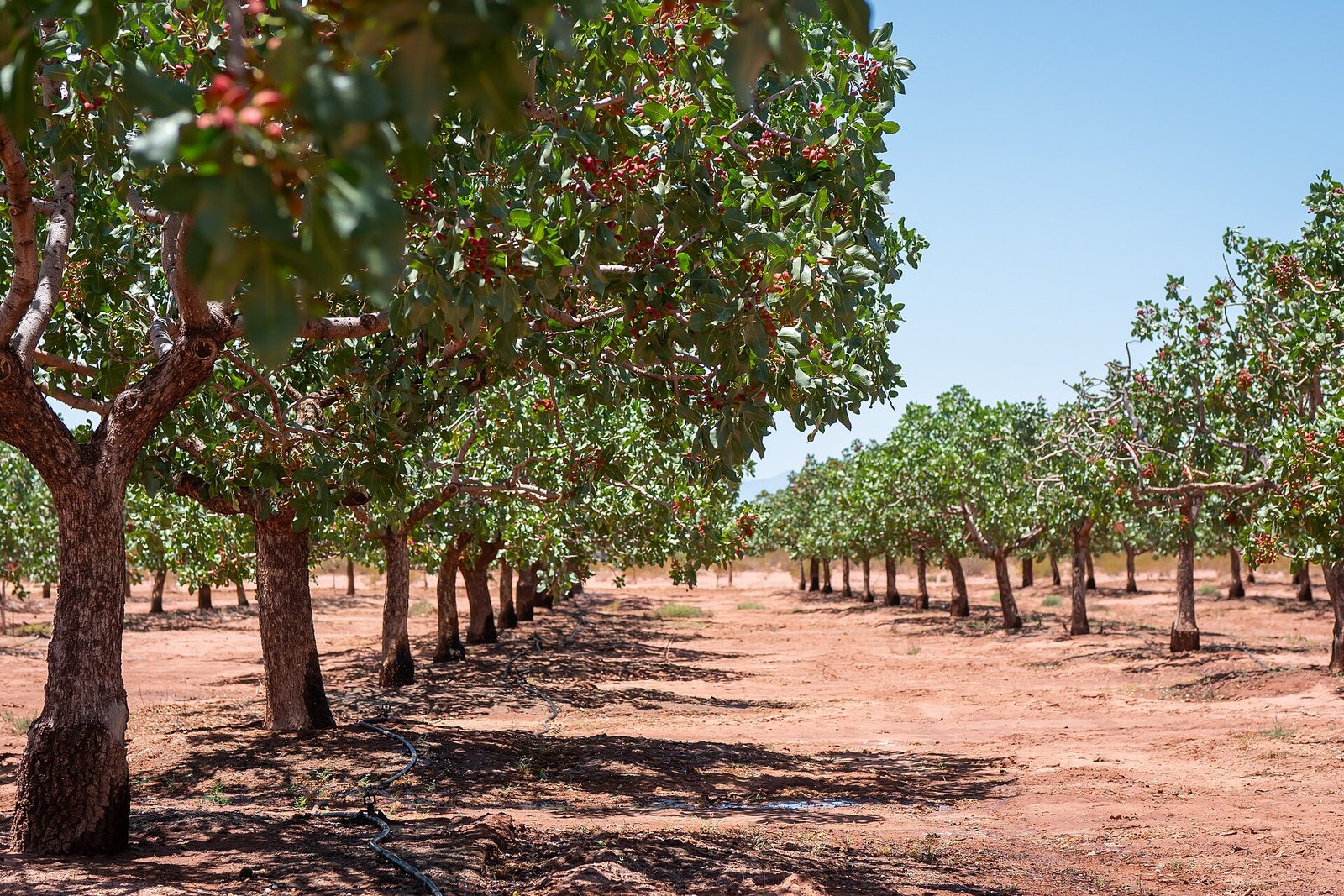
What Irrigation Makes Possible
Irrigation supports crop and forage production in an otherwise dry region. The Roswell–Artesia area, Pecos Valley, and other local systems do not have identical sources or operating rules. In the Roswell area, the Office of the State Engineer administers both artesian and shallow groundwater through its district water-master system. A county crop profile describes what was produced; it does not by itself show whether new water is available for an expansion.
From Field to Market
A crop's value depends on more than yield. Producers need reliable water delivery, soil and salinity management, equipment service, seasonal labor, storage, grading, and routes to buyers. Forage links directly to dairy and livestock production; other crops may require specialized handling or processing. The best regional projects target a documented weak link in that chain and calculate operating costs as well as construction costs.
A Practical Planning Lens
Supply
Distinguish water rights, physical supply, and the reliability of conveyance.
Efficiency
Pair on-farm improvements with measurement of actual water use and operating cost.
Markets
Connect crop choices with processing, storage, buyers, and workforce capacity.
Efficiency With an Honest Water Budget
Scheduling, conveyance repair, and equipment upgrades may improve farm performance, but an equipment change should not automatically be described as basin-wide water savings. Partners should compare measured withdrawals, consumptive use, crop outcomes, and the legal water right before and after a project. This makes the benefit legible to growers, communities, and water managers.
Rangeland Health & Invasive Brush (All Counties)
Forage condition, stock-water access, brush control, and monitoring determine long-term range value.
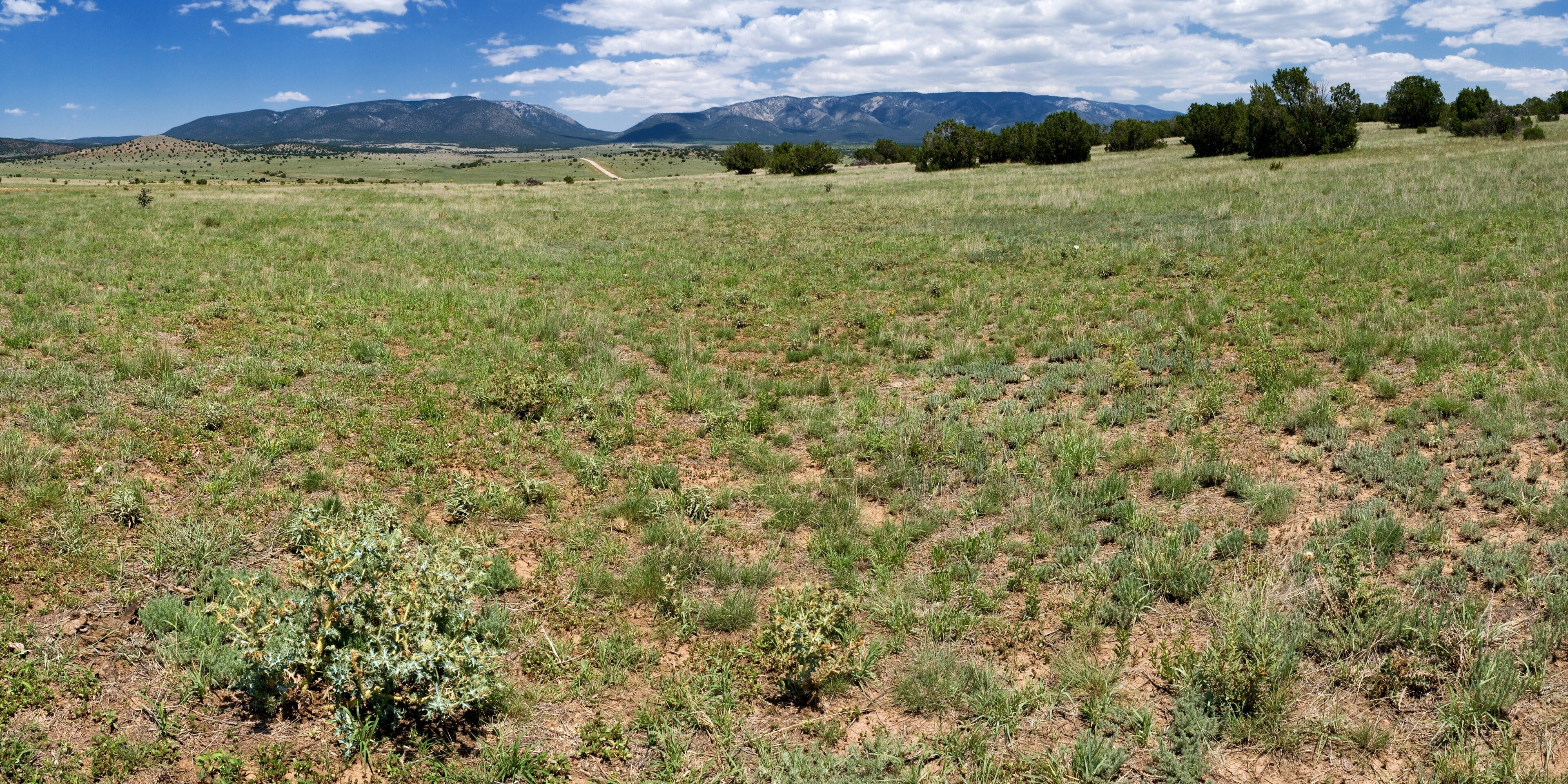
A Working Landscape
Rangeland is productive infrastructure for livestock businesses and also supports habitat, open space, and rural identity. Unlike an irrigated field, forage condition varies across seasons and sites. Drought, invasive plants, erosion, and damaged stock-water systems can change what a pasture can support. County livestock counts give one dated view of the industry; local range condition and operating costs explain what ranchers can sustain.
Stewardship That Can Be Measured
Prescribed grazing, water distribution, brush management, and reseeding are tools, not guaranteed outcomes. The right combination depends on soils, rainfall, land tenure, and producer goals. A strong project records pre-treatment condition, repeats photo points or vegetation measures, and budgets follow-up work. USDA NRCS supports voluntary conservation planning in New Mexico, making its local technical assistance a useful starting point.
A Practical Planning Lens
Resource Condition
Track forage, water points, and erosion across seasons rather than relying on one-year averages.
Working Access
Maintain routes, fences, and agreements that keep operations viable.
Shared Stewardship
Coordinate ranchers, land managers, and wildlife partners around practical maintenance.
Keep Working Lands Viable
Ranch access roads, fences, stock tanks, and livestock handling may seem small beside major regional infrastructure, yet their failure can raise hauling costs and reduce drought flexibility. Regional partners can help connect producers with conservation programs and coordinate projects that cross property or jurisdiction lines. The landowner or grazing permit holder remains the decision-maker for a site-specific practice.
What the Evidence Means
Key Insights
Regional implications from the CEDS evidence. A specific project still needs current local measurements, operator records, and community review.
Water Efficiency Needs an Honest Budget
Irrigation scheduling, conveyance repair, and appropriate equipment can reduce waste and operating costs. Projects should measure actual withdrawals, return flows, crop results, and local water rights before counting a saving or proposing expansion.
Keep More Processing and Service Value Local
Feed, dairy, livestock, and orchards connect farms to repair firms, cold-chain logistics, food safety, and processing. A useful regional project identifies a documented gap in that chain and the local businesses able to fill it.
Range Health Is a Long-Term Investment
Brush treatment alone does not guarantee forage recovery. Follow-up control, reseeding where appropriate, grazing plans, stock-water placement, and repeat photo points make the result visible to ranchers and conservation partners.
Workforce and Infrastructure Are Farm Inputs
Power, cooling, roads, housing, and dependable labor matter to a dairy or orchard as directly as a field practice. Regional support should link producer-defined needs to utility, training, and logistics investments.