 CEDS
Summary Background Regional Economic Performance
Regional Economic Performance
Explore the five-county evidence, fourteen connected topics, and key insights in one interactive chapter.

- Five-County Lens
- Four Indicators
- Fourteen Topics
How Regional Assets Become Everyday Results.
Economic performance depends on a connected system: people who can reach work, firms that can serve real demand, sites and infrastructure ready for investment, and communities where people can stay.
Explore the five-county evidence, then open the topics that matter to your decision. The fourteen subjects are organized into three parts. Each includes its original analysis, planning insights, and source trail.
One Performance System. Five Starting Points.
Select a county to explore its role. The descriptions are qualitative planning interpretations, not a scored ranking or measured flow.
Read Each Measure With Its Geography Attached.
Switch among four Census indicators, select a county, or open the full data table. Bars start at zero within each selected measure; the measures do not combine into a performance score.
Find a Topic. Open the Evidence.
Search the topic titles and summaries, or use the part links to jump to a group.
The Productive Economy
The people, ideas, rules, and capital that let enterprise grow.
01Topic 01 / 4 sectionsTurning Capacity Into Performance
Workforce capacity depends on skills, access to opportunity, and the conditions that let people stay.
Southeastern New Mexico's economic capacity becomes performance when employers can find the skills they need and residents can enter, remain in, and advance through good work. A training program alone cannot solve a shortage if a worker cannot find housing, childcare, a reliable commute, or a clear path from one credential to the next. The chapter therefore reads workforce issues alongside education assets and the practical supports that connect people with jobs.
The five counties do not face identical pressures. Oil and gas hiring cycles affect Lea and Eddy; healthcare and education vacancies reach across rural communities; aviation, defense, tourism, and renewable energy create different technical and seasonal demands. A regional approach can share facilities and employer intelligence while leaving each institution and employer responsible for its own decisions.

Workforce Issues
The central challenge is a mismatch of timing, place, and preparation-not simply the number of people in the labor force.
Skilled Trades
Welding, electrical work, HVAC, construction supervision, instrumentation, and commercial driving support multiple industries. A shortage in these occupations can delay housing, utility, transportation, and industrial projects at the same time.
Healthcare and Education
Nurses, emergency personnel, behavioral-health professionals, teachers, and career-technical instructors are essential to household well-being and to the labor supply available to every other employer.
Participation Barriers
Childcare gaps, long commutes, limited rural training access, housing costs, and uncertain career transitions can keep willing residents from accepting or retaining available work.
Technology Transitions
Remote monitoring, automation, data systems, and AI-enabled tools change job tasks. The region needs short, stackable learning routes so experienced workers can adapt without leaving the workforce.
Workforce Development Assets
Colleges, workforce centers, apprenticeships, employers, and schools provide a distributed training network across the district.
Chaves / Roswell
ENMU-Roswell offers aviation maintenance, health sciences, welding, HVAC, and community workforce training. Its Roswell Air Center setting makes the aviation pathway unusually tangible.
Lea / Hobbs
New Mexico Junior College offers energy technology and industrial training, with a workforce development division able to work with employers on specific skills.
Eddy / Carlsbad
Southeast New Mexico College supports trades, manufacturing, apprenticeships, and industry-specific workforce development. Its current institutional name matters for finding active programs.
Lincoln and Otero
ENMU-Ruidoso and NMSU-Alamogordo expand geographic access to education. Workforce Connection services, school districts, and employers can connect residents to training closer to home or online.
The productive connection is not another standalone program list. It is a shared process in which employers define competencies, educators translate them into courses or apprenticeships, and partners help people overcome barriers to participation.
Sector-Specific Workforce Pressures
Each major sector creates a different combination of demand, compensation, work schedule, and training time.
Energy and Industrial Work
Strong wages and project-driven hiring can pull trades workers from construction, public utilities, and other local employers. Cross-training and predictable advancement help workers remain productive through cycles.
Health and Care
Rural care providers compete for clinicians and support staff while residents may need to travel long distances for services. Training capacity, clinical placements, and retention supports should be planned together.
Education
Teacher and instructor availability shapes the next workforce pipeline. Local career exposure and pathways for residents to become educators can reinforce recruitment from outside the region.
Tourism and Services
Lincoln and Otero employers face seasonal swings and the combined effects of housing, transportation, and wage constraints. Retention strategies need to reflect those operating realities.
Emerging Trends and Opportunities
The next advantage is a workforce system that can respond quickly as occupations change.
- Employer SignalShort Training
Translate a specific hiring need into a course, apprenticeship module, or portable credential.
- Entry CredentialPaid Experience
Pair classroom learning with a placement or supervised work whenever possible.
- Incumbent WorkerNext Skill
Build upskilling options in automation, energy systems, cybersecurity, and data-enabled operations.
- Local BarrierRegional Support
Coordinate childcare, housing, and transport solutions when those are the real limits on participation.
Renewable-energy maintenance, aviation and defense support, water technology, and digitally enabled work are plausible growth pathways, but each should be connected to verified employer demand before it becomes a promise of jobs. A regular employer-education review can keep curricula current and reveal where shared equipment or faculty makes regional collaboration worthwhile.
Topic Insights
These planning implications connect the evidence to choices that local and regional partners can test and carry forward.
Align Training With Demand
Use current employer competencies and placements to shape courses and apprenticeships, then review outcomes with participating employers.
Remove Participation Barriers
Housing, childcare, and distance can be as consequential as credentials; include them in workforce project design.
Make Transitions Possible
Short, portable credentials can help experienced workers move into emerging technical work without starting over.
Share Capacity Across Counties
Partners can share specialist instructors, equipment, and labor-market intelligence while keeping programs locally relevant.
Sources for This Topic
- ENMU-Roswell Programs
Current institutional program catalog; Chaves County; checked 2026.
- New Mexico Junior College Workforce Development
Current training and employer-service description; Lea County; checked 2026.
- Southeast New Mexico College Workforce Development
Current institutional workforce description; Eddy County; checked 2026.
- ENMU-Roswell Community and Workforce Training
Current training examples and delivery methods; checked 2026.
02Topic 02 / 2 sectionsInnovation Assets
Innovation here is applied: stronger processes, new uses for regional assets, and skills that travel between sectors.
The region's innovation landscape does not resemble a single downtown technology district. Its assets are distributed among energy operations, aviation, defense testing, agriculture, water management, manufacturing, and teaching institutions. Much of the most useful innovation is practical: a safer process, a better instrument, a new service supplier, a more efficient use of water, or training that helps workers operate advanced equipment.
That pattern gives Southeastern New Mexico a different advantage. Five counties already contain customers, testing environments, specialized facilities, and institutions that can translate ideas into applied skills. The challenge is to make those assets easier to see and connect so that a local supplier, student, or employer can find a partner beyond their own county.

Regional Innovation Landscape Overview
Applied innovation grows where industry demand meets technical capacity, space to test, and support for a business to reach its next customer.
Aviation and Aerospace
Roswell Air Center hosts aircraft maintenance, parts, painting, dismantling, and storage activity. ENMU-Roswell's aviation-maintenance pathway ties that operating environment to the talent pipeline.
Energy, Water, and Minerals
Lea and Eddy firms confront equipment uptime, produced-water handling, emissions management, and safety challenges. Better processes and local technical services can have value even when they are not counted as startup activity.
Defense and Testing
White Sands Missile Range and Holloman Air Force Base create specialized testing and training environments. A 2026 autonomous flightline-debris-removal demonstration at Holloman shows how an operational problem can invite a technical response. Partnerships must respect federal mission and procurement requirements.
Agriculture and Visitor Economies
Water-efficient production, food processing, resource stewardship, and visitor-service design offer innovation opportunities suited to Chaves, Lincoln, Otero, and Eddy communities.
County-Level Innovation Assets
Every county contributes a different asset; the opportunity is a network rather than a winner-take-all hub.
Chaves County
Roswell Air Center, ENMU-Roswell, agricultural production, and manufacturing create a strong setting for aviation services, technical training, and value-added food systems.
Lea County
The energy sector and New Mexico Junior College support applied industrial training and technical services. A state-announced 2026 medical-isotope facility in Lea County is a prospective diversification project, not an existing operating cluster.
Eddy County
Carlsbad-area nuclear, potash, energy, and industrial activity offers demanding customers for safety, manufacturing, maintenance, and logistics capabilities. Southeast New Mexico College adds a local technical-training anchor.
Lincoln County
Outdoor recreation, water stewardship, and small businesses invite service and resilience innovation. Scale and access matter more here than imitating a large urban research park.
Otero County
White Sands Missile Range, Holloman, and NMSU-Alamogordo connect testing, defense-adjacent technology, education, and workforce readiness.
A useful regional innovation network would maintain an asset directory, identify problems that several employers share, and connect those problems to students, suppliers, researchers, and finance. It should distinguish active facilities from proposed projects and track actual partnerships and commercialization outcomes rather than announcing a cluster before it exists.
Topic Insights
These planning implications connect the evidence to choices that local and regional partners can test and carry forward.
Start With Applied Problems
Organize around real operating needs in aviation, energy, water, defense support, agriculture, and tourism.
Make the Network Visible
A shared asset directory and convening process can connect institutions and firms that are currently dispersed.
Build Supplier Pathways
The strongest technology transfer may occur when a local firm earns its first sophisticated regional customer.
Measure Use, Not Just Presence
Track projects tested, firms served, credentials earned, and partnerships formed; an asset alone is not an outcome.
Sources for This Topic
- Roswell Air Center Business Partnerships
Current tenant and service descriptions; Chaves County; checked 2026.
- ENMU-Roswell Aviation Maintenance Technology
Current training program; Chaves County; checked 2026.
- Southeast New Mexico College Vocational, Energy, and Manufacturing
Current applied programs; Eddy County; checked 2026.
- Lea County Medical-Isotope Project Announcement
New Mexico EDD announcement dated September 24, 2026; prospective project, not operating output.
- Holloman Autonomous FOD Demonstration
U.S. Air Force image and description dated January 30, 2026; Otero County.
03Topic 03 / 2 sectionsIndustry Supply Chains
Regional prosperity grows when more of each industry's purchasing, processing, and specialized service work stays close to home.
A supply chain is the route from an input or service to a finished product and its customer. In Southeastern New Mexico, that route crosses county and state lines: energy equipment arrives for Lea and Eddy operations; crops and livestock move to processors; aircraft parts and technical services support Roswell; and defense-related work draws on specialized vendors. These connections create jobs, but they also expose firms to transport delays, distant suppliers, and shifts in outside demand.
The practical question is where local businesses can compete for a larger share of that work. The answer varies by industry. Some opportunities involve local fabrication or food processing; others involve maintenance, testing, cold storage, logistics, compliance, or workforce services. Supplier development should begin with buyers' specifications and realistic capability assessments, not a blanket claim that every imported component can be made locally.

Regional Supply Chain Context
Five counties produce and support energy, food, aviation, minerals, public infrastructure, and visitor services; the links among them determine how much value is retained.
- Regional ProductionProcessing and Services
Food crops, livestock, minerals, and energy need processors, testing, maintenance, and logistics.
- Anchor BuyerLocal Supplier
Large employers can create repeat demand when smaller firms meet quality, safety, and delivery requirements.
- Training AssetSupplier Capability
Colleges and apprenticeships can build the specific technical skills that procurement opportunities require.
- Transport NetworkOutside Market
Road, rail, air, broadband, and utility reliability affect every stage from quotation to delivery.
This is a qualitative map of relationships, not a measured estimate of regional purchasing leakage. A formal supplier-gap analysis would compare anchor purchasing categories with a verified local business directory and interviews with buyers and vendors.
Assessment of Regional Supplier Networks
The sector lens clarifies where local capacity exists, where it is thin, and what a plausible next step could be.
Oil and Gas
Lea and Eddy have established drilling, field-service, maintenance, and logistics networks. Specialized components and technology still arrive from outside. Local precision fabrication, safety services, equipment upkeep, and emissions-management work are realistic adjacency tests.
Agriculture and Food
Dairy, livestock, forage, pecans, and other crops support local production. Processing, cold-chain capacity, packaging, and distribution determine whether more value can remain in the region. Food-making businesses illustrate the small-scale end of this continuum.
Aviation and Defense
Roswell Air Center already has aircraft-parts and maintenance activity; Otero's defense installations create another demanding procurement environment. Supplier access depends on certifications, federal procurement rules, and consistent quality.
Renewables, Potash, and Nuclear Services
Installation, maintenance, mineral operations, and nuclear-related logistics can support local technical firms. Large equipment supply may remain external, but service, testing, and worker-safety capabilities can grow locally.
Topic Insights
These planning implications connect the evidence to choices that local and regional partners can test and carry forward.
Retain More Value
Prioritize processing, maintenance, fabrication, and logistics opportunities grounded in actual buyer demand.
Reduce Bottlenecks
Freight routes, broadband, utilities, and workforce availability determine whether local suppliers can deliver reliably.
Diversify Adjacent Skills
A firm serving a cyclical sector may apply its capabilities to aviation, water, manufacturing, or other markets.
Verify the Gap
Build a buyer-supplier inventory before estimating local leakage or promising new facilities.
Sources for This Topic
- NMDOT Multimodal and Freight Planning
2023 state freight-plan update and current freight planning tools; statewide context.
- Roswell Air Center Business Partnerships
Current aviation-parts, maintenance, and warehouse activity; Chaves County; checked 2026.
- Southeast New Mexico College Manufacturing Programs
Current technical and manufacturing training; Eddy County; checked 2026.
- New Mexico Healthy Food Financing Fund
Current state program for food/agricultural supply chains; eligibility varies by funding round.
04Topic 04 / 7 sectionsState and Local Laws
A predictable path from idea to permission can support investment while preserving environmental, labor, and cultural safeguards.
Economic projects in Southeastern New Mexico move through overlapping state, local, federal, and, where relevant, tribal processes. A mineral operation, housing site, wastewater facility, or renewable-energy project may encounter different land ownership, water, air, zoning, road access, tax, and workforce requirements. These rules are not interchangeable, and the responsible agency changes with the project and location.
The CEDS role is to make that landscape easier to navigate. Early identification of the permitting path can help a project sponsor sequence studies, consultation, infrastructure commitments, and funding applications. Clearer coordination can reduce avoidable rework without promising a faster decision or bypassing public review.
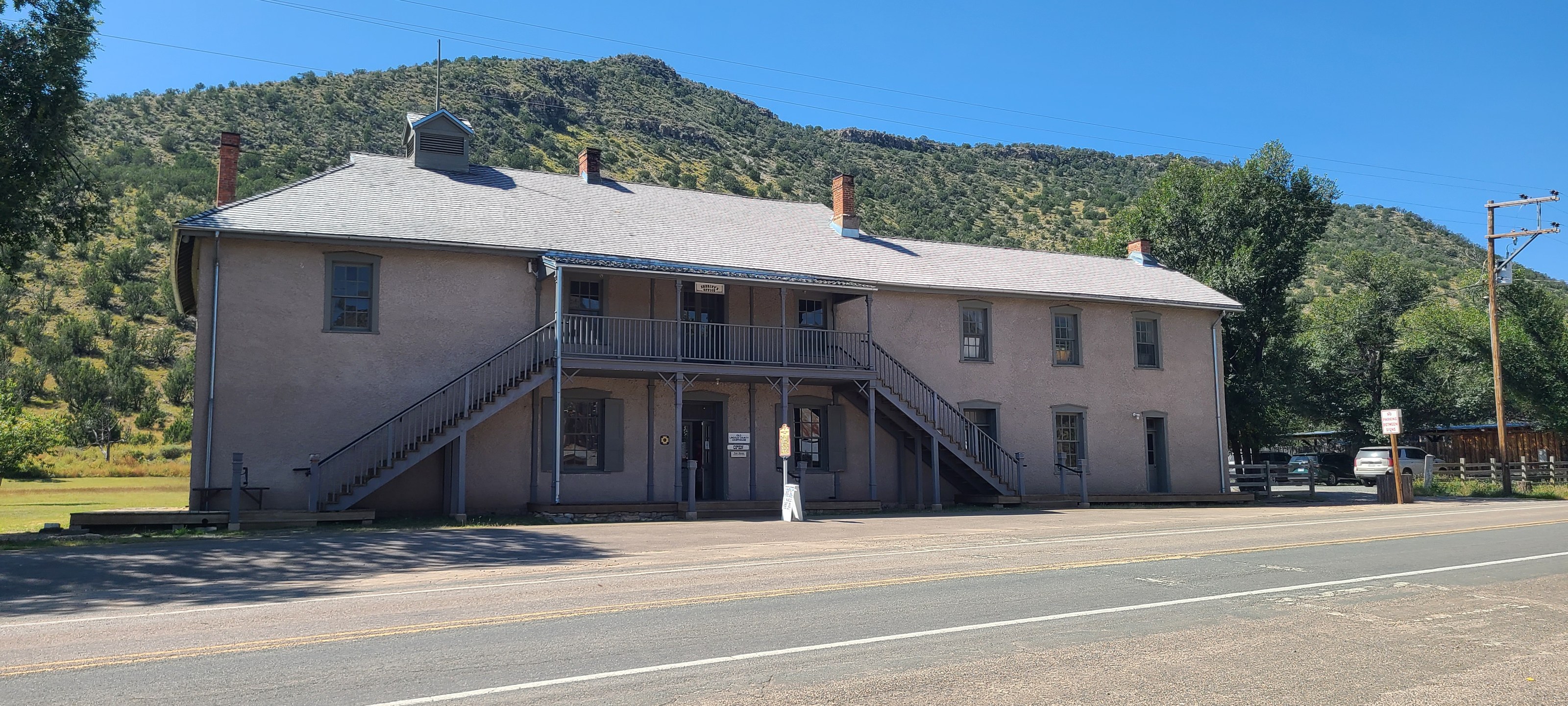
Oil and Gas Regulation
The New Mexico Oil Conservation Division oversees oil and gas operations under state rules, including natural-gas waste and produced-water management.
The rules address reporting, gas capture, recycling, and other operational requirements. The New Mexico Environment Department separately regulates relevant air emissions and permits. Firms planning a project in Lea or Eddy should verify the current rule text and agency guidance before setting a schedule or cost estimate; regulations can change and may differ by activity.
Environmental and Land Use Laws
Environmental review and land-use approvals connect project design to water, air, habitat, cultural resources, and neighboring uses.
The New Mexico Environment Department administers multiple environmental programs, while local governments set many zoning and subdivision rules. Federal land or funding may trigger additional review. New Mexico's 2025 Strategic Water Supply Act created a program for qualifying brackish-water projects; that does not make every water-reuse proposal eligible. The best early step is to define the specific activity and site, then confirm which laws and agencies apply.
Renewable Energy and Climate Policy
State electricity standards create a long-term planning context, but they do not settle individual project siting, transmission, or interconnection.
The 2019 Energy Transition Act sets different zero-carbon deadlines for investor-owned utilities and rural electric cooperatives: 2045 and 2050 respectively. Developers still need to examine grid capacity, land access, local approvals, and environmental effects. For the region, transmission and workforce preparation are as important as generation potential.
Taxation and Economic Incentives
Gross receipts tax and project-specific incentives affect a business's costs and the public return from economic-development investment.
New Mexico's Local Economic Development Act supports eligible, public-benefit projects through local governments; the Job Training Incentive Program supports qualifying new-job training. Neither tool is automatic. Eligibility, application timing, public benefit, and reimbursement rules should be checked before a project is promoted as funded. A regional project team can help sponsors assemble a consistent fact sheet without making approval decisions for state or local agencies.
Labor and Workforce Laws
Employers and project sponsors must account for wage, safety, licensing, and employment rules while building realistic recruitment plans.
As checked in 2026, New Mexico's statewide minimum wage is $12 per hour, and certain local rates may differ. Occupation-specific licensing and federal requirements may also apply. In practice, lawful wages are only one part of recruitment: employers must consider commuting, housing, childcare, and training opportunities when evaluating whether a position can be filled and retained.
Local Governance, Permitting, and Tribal Consultation
Cities, counties, federal agencies, and tribal governments have distinct roles. Consultation is a substantive relationship, not a box to check.
Local commissions and staff shape zoning, subdivision, roads, utilities, and public-facility decisions. Federal actions can require environmental and historic-preservation review with tribal engagement where applicable. New Mexico's State-Tribal Collaboration Act also directs state-agency relationships with Indian nations, tribes, and pueblos. Project sponsors should identify potentially affected sovereign governments early and allow enough time for meaningful engagement.
Opportunities to Improve the Regulatory Environment
The strongest improvement is a clearer sequence of responsibilities, documents, and decision points-not a promise to waive standards.
- Project ConceptAgency Map
Name the responsible local, state, federal, and tribal participants for this site and activity.
- Early DesignShared Timeline
Identify required studies, review windows, infrastructure dependencies, and public engagement.
- ApplicationComplete Record
Submit consistent technical information so reviewers and communities can evaluate the actual proposal.
- DecisionImplementation
Track conditions, funding, procurement, and compliance after approvals are issued.
Topic Insights
These planning implications connect the evidence to choices that local and regional partners can test and carry forward.
Map the Path Early
Identify site-specific agencies, permits, consultation, and funding conditions before estimating a project's readiness.
Keep Incentives Precise
LEDA and JTIP are eligibility-based tools, not commitments; verify program rules and public benefit for each project.
Coordinate Without Shortcuts
Predictable sequencing can reduce rework while maintaining environmental review and public participation.
Respect Sovereign Roles
Engage tribal governments through the appropriate government-to-government process when their interests may be affected.
Sources for This Topic
- New Mexico Oil Conservation Division Rules
Current state regulatory index; checked September 2026.
- New Mexico Environment Department Oil and Gas Air Rule
State air-emissions rule context; checked September 2026.
- Energy Transition Act Baseline Report
State source distinguishing 2045 investor-owned and 2050 cooperative targets.
- 2025 Strategic Water Supply Act
Chaptered New Mexico legislation; statewide; checked September 2026.
- Local Economic Development Act
Current state program eligibility and implementation; checked September 2026.
- Job Training Incentive Program
Current eligibility and exclusions; checked September 2026.
- New Mexico Minimum Wage
State and local wage-rate notice; checked September 2026.
- EPA: NEPA in Indian Country
Federal environmental review and tribal participation context; updated 2026.
05Topic 05 / 8 sectionsFinancial Resources
The region has many funding doors; the hard work is matching the right project, borrower, and stage to the right capital.
Business expansion, infrastructure, workforce housing, and entrepreneurship require different forms of capital. A bank loan can serve a credit-ready business; a public loan can finance a utility; a CDFI may pair smaller loans with coaching; and an equity investor may accept the uncertainty of an early technology venture. Treating all of these as interchangeable leaves promising projects stuck between programs.
Southeastern New Mexico's capital landscape includes local and regional financial institutions, state and federal finance programs, mission lenders, college-based business support, and tribal resources. The practical task is to prepare a project for the capital it can actually use: define its sponsor, cash flow or public revenue, site control, cost, match, permits, and measurable benefit. Availability and eligibility change, so this chapter presents pathways rather than awards or guarantees.
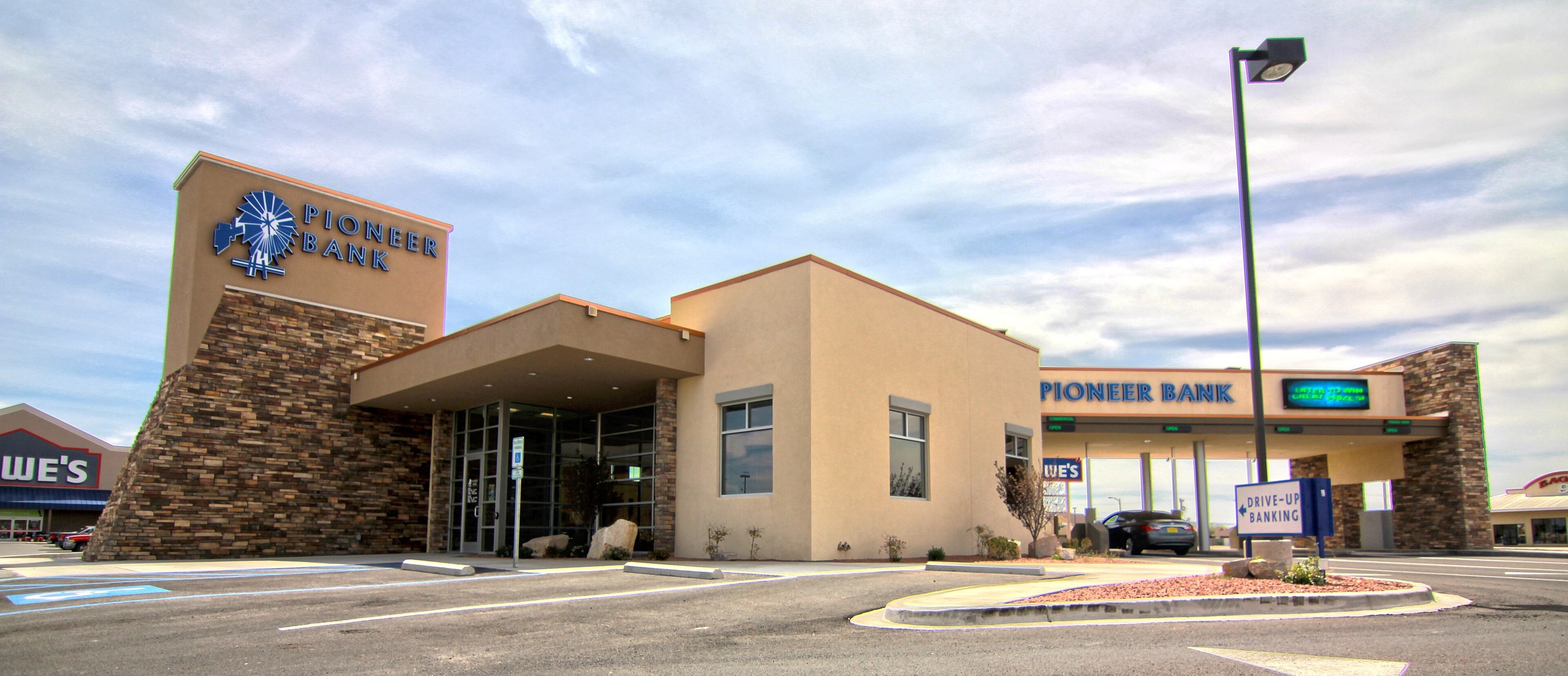
Financial Resource Landscape (Summary)
A useful first filter is whether the need is a private business, a public facility, a housing project, or an early-stage idea.
Private Debt
Banks and credit unions evaluate repayment, collateral, and risk. They are often the right first conversation for established firms and property projects.
Public Finance
State and federal tools can support eligible infrastructure, business investment, and training, often with local sponsorship or a lender partner.
Mission Capital
CDFIs and microlenders may serve smaller or underserved borrowers while pairing capital with technical assistance.
Equity and Commercialization
Venture and university-linked support can fit high-growth ideas, but such funding is selective and not a substitute for ordinary operating finance.
Traditional Banking Institutions
Community, regional, and national lenders support commercial credit, equipment, agricultural activity, real estate, and deposits across the five counties.
The specific lender matters less than the fit between the borrower and the loan. A firm should prepare credible financial statements, a use-of-funds plan, collateral information where relevant, and a realistic repayment case. A bank can also pair its own underwriting with an SBA or USDA guarantee when a program and project qualify. Local relationship banking can help a lender understand seasonal revenue and sector-specific risk, but it does not remove normal credit standards.
Public Funding and Government Programs
Public resources serve different sponsors and purposes; the same acronym can hide very different eligibility rules.
LEDA and JTIP
New Mexico's Local Economic Development Act can support eligible public-benefit business projects through local governments. JTIP reimburses eligible new-job training; many sectors are excluded, so the application must be checked before it appears in a financing plan.
SSBCI
The State Small Business Credit Initiative supports New Mexico credit and investment programs through participating administrators. Its statewide allocations are not a five-county grant balance.
NMFA Public Project Revolving Fund
The fund finances eligible public infrastructure and facilities through loans to public entities, including tribal entities. It is not a general private-business grant.
SBA and USDA
SBA 7(a), 504, and Microloan tools serve different small-business needs; USDA Rural Development offers eligible rural business and community-facility financing.
Local Deployment
Local governments and economic development organizations translate state or federal tools into site, infrastructure, and business projects.
A community may use its own capital program, an eligible LEDA structure, a utility project, or technical assistance to move a priority forward. The strongest local role is to establish a transparent project pipeline and identify readiness gaps before seeking funds. Local sponsors retain authority for spending, procurement, and accountability. Regional coordination can reduce duplicate research and bring neighboring jurisdictions together on shared needs.
Investment Funds and Venture Capital
Equity is suitable for some scalable businesses, but it is not a general answer to rural small-business finance.
New Mexico's broader innovation and venture resources may connect founders with investment and commercialization support. A southeastern New Mexico venture must still demonstrate a plausible market, team, technology or defensible advantage, and a path to scale. Supplier businesses, housing developments, and public utilities often need debt or blended public finance instead. Building an investor pipeline means preparing credible opportunities, not simply listing funds.
Microloans and Community Development Financial Institutions (CDFIs)
Mission lenders can fill gaps for smaller firms and borrowers who need coaching as well as capital.
Organizations such as WESST, The Loan Fund, and DreamSpring offer New Mexico business support or lending products, subject to their current service areas and underwriting. The practical value may be loan-readiness help, a smaller loan size, or credit-building support. A regional referral system should let a founder compare terms and connect to a reputable provider without suggesting that every applicant will qualify.
University and Research-Driven Resources
Colleges and business-development networks often help a founder become finance-ready before an application is submitted.
The New Mexico Small Business Development Center network includes offices serving southeastern communities, and NMSU's Arrowhead Center provides statewide commercialization and entrepreneurship programs. Services range from business planning to market validation and investor preparation. Program hours and office status can change, so the network directory should be checked before referring a resident to any office.
Tribal Lending and Investment
Tribal governments and Native entrepreneurs have distinct financing pathways and should direct their own priorities.
The SBA Office of Native American Affairs offers business-development and procurement assistance, while Native CDFIs and Tribal SSBCI programs can expand access to capital where available. Eligibility and service geography vary. Regional partners should ask the relevant sovereign government or program administrator how to collaborate, rather than treating tribal capital as a general regional funding pool.
Topic Insights
These planning implications connect the evidence to choices that local and regional partners can test and carry forward.
Match Capital to the Project
Public infrastructure, established businesses, small startups, housing, and technology ventures need different financing structures.
Prepare Before Applying
Sponsor, scope, cost, cash flow, site control, permits, and match determine whether a funding pathway is realistic.
Pair Money With Assistance
SBDCs, colleges, and CDFIs can help businesses become ready for financing and use it well.
Respect Eligibility and Authority
Program awards are not automatic; local and tribal decision-makers retain control of their own funds and projects.
Sources for This Topic
- New Mexico Finance Authority Public Project Revolving Fund
Current public-project loan eligibility and uses; statewide; checked 2026.
- New Mexico SSBCI
Current statewide credit and investment initiative; figures are state, not county, totals.
- New Mexico JTIP
Current job-training reimbursement rules and exclusions; checked 2026.
- New Mexico LEDA
Current state program eligibility and public-benefit requirements; checked 2026.
- SBA Loans
Current 7(a), 504, and Microloan overview; national programs; checked 2026.
- USDA Rural Development: New Mexico Business and Industry Loan Guarantees
Current rural business program and eligibility; checked 2026.
- New Mexico Small Business Development Center Locations
Current network directory; office status should be confirmed before referral.
- SBA Office of Native American Affairs
Current Native entrepreneurship assistance; national program; checked 2026.
Systems That Make Growth Possible
The physical and fiscal conditions that determine whether an idea can be delivered.
06Topic 06 / 8 sectionsTransportation Systems
The distances between communities make dependable connections an economic asset.
Southeastern New Mexico moves people, supplies, and products across an unusually large geography. A highway is simultaneously a route to work, a connection to care, a freight corridor, and an evacuation path. The value of the system cannot be read from pavement condition alone; it depends on how reliably roads, airports, rail, pipelines, and local transit work together.
The five counties have different travel patterns. Energy and mineral activity concentrates heavy freight in the eastern counties, while mountain communities and recreation destinations face different seasonal and terrain pressures. Regional planning should identify the places where one constrained link creates costs across several industries or leaves residents without a practical alternative.

Regional Transportation Context
The region's transportation network connects its communities to Texas markets, major airports outside the region, public lands, and the wider interstate freight system. A useful project map should show who depends on a corridor and what a disruption would interrupt: commuter trips, emergency services, visitor travel, or industrial shipments. Treating those trips together reveals opportunities for investments that serve more than one purpose.
Follow the trip, not only the asset: origin → route → destination → consequence of delay.
Road and Highway Infrastructure
U.S. 285, U.S. 70, U.S. 62/180, U.S. 82, and state routes such as NM 48 in Lincoln County carry much of the region's intercounty movement. Freight, school buses, tourist traffic, and everyday commuting can share the same rural road. Pavement preservation, intersection safety, drainage, and incident response therefore belong in the same discussion as travel time. New Mexico DOT District 2 maintains roads across all five CEDS counties; its project information and the statewide transportation improvement program provide a starting point for checking funded work rather than assuming that every identified need is programmed.
Airports and Aviation Assets
Roswell Air Center and Lea County Regional Airport provide scheduled commercial-air connections, while other local airports support general aviation, emergency access, training, and business travel. Those functions are not interchangeable. The U.S. Department of Transportation reports 48,740 passenger enplanements at Roswell and 26,212 at Lea County Regional in calendar 2024; enplanements count people boarding aircraft, not all airport users or total round trips. The comparison is useful for understanding commercial passenger scale, but capital priorities must also consider airfield condition, hangar space, workforce uses, and the role of smaller airports.
2024 commercial passenger boardings: Roswell Air Center 48,740; Lea County Regional Airport 26,212. This is a two-airport comparison, not a measure of total regional aviation activity.
Rail Access and Freight Movement
Rail is most valuable where a shipment's volume, distance, and loading needs justify it. A rail line on a map is not evidence that a particular business has service-ready access. Site evaluation should test active service, siding or transload availability, truck connections, and the cost of the last mile. These questions matter to agricultural products, mineral inputs, manufactured goods, and companies considering a regional distribution location. Where direct rail is unavailable, coordinated truck and transload strategies may offer a more realistic near-term path than proposing new track without demand evidence.
The mapped rail network offers a geographic view of track classes across the five counties. Select a county or toggle the track layers, then confirm service and site access with the operator before making a project decision.
Pipelines and Energy Transport
Pipeline systems are part of the region's industrial geography. Their routes affect energy movement, utility coordination, development siting, and emergency planning. The public National Pipeline Mapping System supports county-scale orientation, but its public map is not a substitute for operator records, utility coordination, surveys, or a site-specific safety review. Communities should connect pipeline awareness with land-use and transportation decisions early enough to avoid avoidable conflicts and costly redesign.
Transit Availability
A car-dependent region can still have consequential transit needs. Local and demand-response operators help residents reach medical appointments, training, and jobs, especially when a household cannot absorb the cost of a second vehicle. Federal Transit Administration agency profiles identify providers serving communities including Roswell, Carlsbad, Hobbs, and Alamogordo. The next planning step is to map service hours and actual trip availability against shift work, health facilities, and training schedules. An inventory of agency names alone does not show whether a resident can complete a useful round trip.
Economic Implications of Transportation Constraints
A delayed truck can raise a supplier's cost; an unreliable commute can narrow an employer's labor pool; a missed medical trip can reduce a household's stability. These effects compound in a region where alternative routes and services may be far apart. The strongest transportation proposals identify a specific constraint, the users affected, the scale of delay or risk, and the measure that would show improvement. That evidence helps distinguish a broadly beneficial corridor project from a visually prominent but less urgent investment.
Future Needs and Opportunities
The region should keep a shared, updateable list of corridor safety, pavement, drainage, airport, transit, and freight-access needs. Each candidate can be paired with a lead agency, project stage, partners, estimated cost, and the funding program it might fit. NMDOT's statewide program and project map show programmed transportation work; local governments and operators can supply the missing detail on last-mile connections. A regional view is particularly valuable when a route crosses county lines or when a community cannot justify a solution on its own.
Topic Insights
These planning implications connect the evidence to choices that local and regional partners can test and carry forward.
One Route, Many Users
Prioritize corridors by the combined needs of workers, freight, emergency access, and visitors—not by traffic volume alone.
Access Is More Than Distance
Transit usefulness depends on service hours and a complete round trip, not the presence of a provider on a map.
Airports Have Distinct Roles
Commercial enplanements illuminate passenger scale, while general aviation and airfield capacity require their own measures.
Define Readiness Before Funding
A credible project identifies the bottleneck, owner, partners, cost, and measurable benefit before choosing a funding program.
Sources for This Topic
- NMDOT Statewide Transportation Improvement Program
Programmed multimodal projects and planning context.
- NMDOT District 2
District responsibility covering the five CEDS counties.
- U.S. DOT 2024 Airport Enplanements
Calendar-year passenger boardings; not total airport traffic.
- FTA National Transit Database Agency Profiles
Public operator profiles and service statistics.
- PHMSA National Pipeline Mapping System
Regional pipeline orientation; verify site-specific locations with operators.
07Topic 07 / 4 sectionsEnergy Costs
Affordable energy depends on the bill, the building, and the reliability of the system.
Energy is both a major regional industry and a day-to-day cost for households, employers, schools, and public facilities. A competitive statewide average price does not guarantee a manageable monthly bill in every home. Usage, cooling and heating equipment, building condition, fuel choice, and household income all change the burden. Economic strategy therefore needs to look beyond a single electricity price.
Reliability matters just as much as price. A short outage can interrupt a small business, a clinic, a water system, or a production process. The region can improve its position by combining efficiency, weatherization, utility coordination, and carefully scoped backup or distributed-energy projects. These measures should be matched to actual customer needs and local grid conditions.
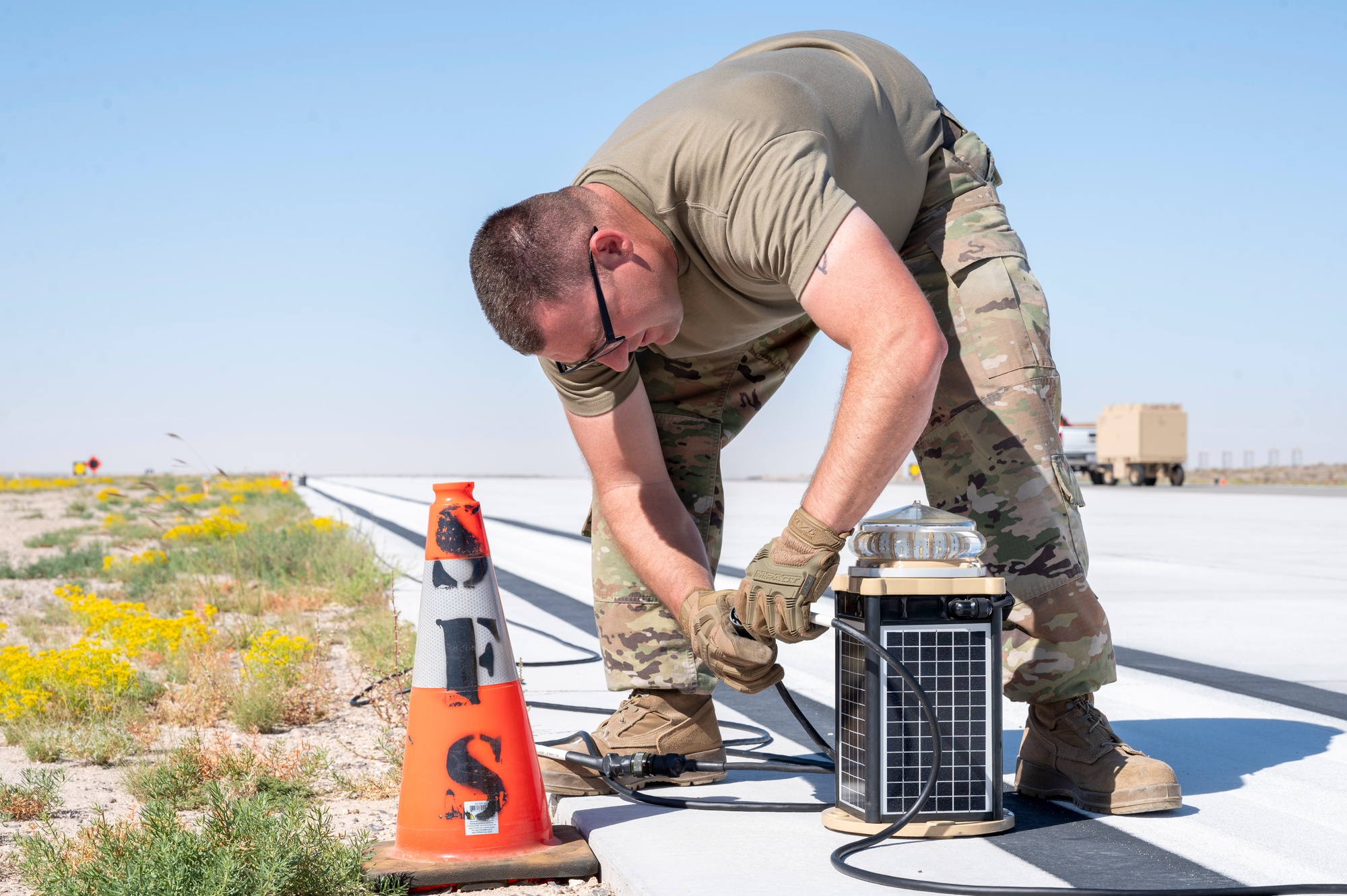
Residential Energy Costs
The U.S. Energy Information Administration reports a 2024 average residential retail electricity price of 14.20 cents per kilowatt-hour in New Mexico, below the U.S. average of 16.48 cents. These are statewide sector averages, not the rates paid by a particular county, utility, or household. A family's bill also depends on how many kilowatt-hours it uses. Older or poorly insulated housing can turn a relatively moderate unit price into a difficult monthly expense, especially when income is limited. The Department of Energy's Low-Income Energy Affordability Data tool can help local partners examine burden at smaller geographies before choosing a response.
Energy Reliability
Electric service underpins water pumping, broadband equipment, healthcare, refrigeration, and industrial operations. In a large rural region, restoration logistics and the availability of backup service can be as consequential as the average price. A community or employer should first identify critical loads and the duration of interruption it must withstand; a hospital, a well, and an office have different requirements. Utility outage history, feeder condition, and engineering review are needed before declaring a particular site resilient or proposing a generation solution.
Opportunities to Improve Affordability and Reliability
Efficiency is often the most direct way to reduce the energy needed for a given service. Weatherization, efficient cooling, and building-system upgrades can help households and public facilities, while industrial process improvements may also improve competitiveness. New Mexico's Community Energy Efficiency Development program and Grid Modernization Program provide public routes to explore, subject to current eligibility and funding. For essential facilities, partners can evaluate backup power, storage, and controls alongside the utility's grid plans. Each proposal should estimate avoided usage or interruption, maintenance responsibility, and who benefits—not just installed capacity.
What burden or outage does it solve? Who can maintain it? Which measured cost or service outcome should improve?
Residential Energy Cost Snapshot
The price chart compares New Mexico with the nation across residential, commercial, and industrial customer classes in 2024. New Mexico's averages were 14.20, 10.54, and 5.43 cents per kilowatt-hour, respectively; the corresponding U.S. averages were 16.48, 12.75, and 8.13. The differences describe retail price, not total bills, the full cost of operating a facility, or an individual utility tariff. Read the residential pair alongside household energy burden, and the commercial and industrial pairs alongside reliability and load needs. This keeps a statewide comparison from being mistaken for a five-county performance measure.
Topic Insights
These planning implications connect the evidence to choices that local and regional partners can test and carry forward.
Price Is Only One Part of the Bill
Usage and housing condition can create hardship even when the statewide unit price is below the national average.
Reliability Is Economic Capacity
Critical facilities and employers need continuity plans tied to actual loads and utility conditions.
Efficiency Can Reach Many Users
Weatherization and equipment upgrades offer a practical path to lower usage while communities assess larger grid projects.
Measure the Right Geography
Statewide price data provide context; local decisions need utility, building, and household evidence.
Sources for This Topic
- EIA 2024 Average Retail Electricity Prices
State and U.S. sector averages in cents per kilowatt-hour.
- DOE Low-Income Energy Affordability Data
Local energy burden context.
- New Mexico Community Energy Efficiency Development
State program for community energy-efficiency work; verify current rounds and rules.
- New Mexico Grid Modernization Program
State grid program information; verify current eligibility.
08Topic 08 / 5 sectionsTaxes
A clear picture of taxes helps communities compete without overstating incentives.
Tax costs matter to business location decisions, household budgets, and the public revenue that pays for infrastructure. Southeastern New Mexico's communities operate within the state's tax structure while also making local choices. The same project can face different practical conditions depending on where the transaction occurs, the business form, the workforce, and the land or facilities involved.
This chapter treats tax information as a planning input, not a quote of a rate or an eligibility determination. Rates and program rules change, and the correct gross-receipts location code may be more specific than a county name. The useful regional question is how to make the system understandable while improving the infrastructure, sites, talent, and services that influence a firm's total operating cost.
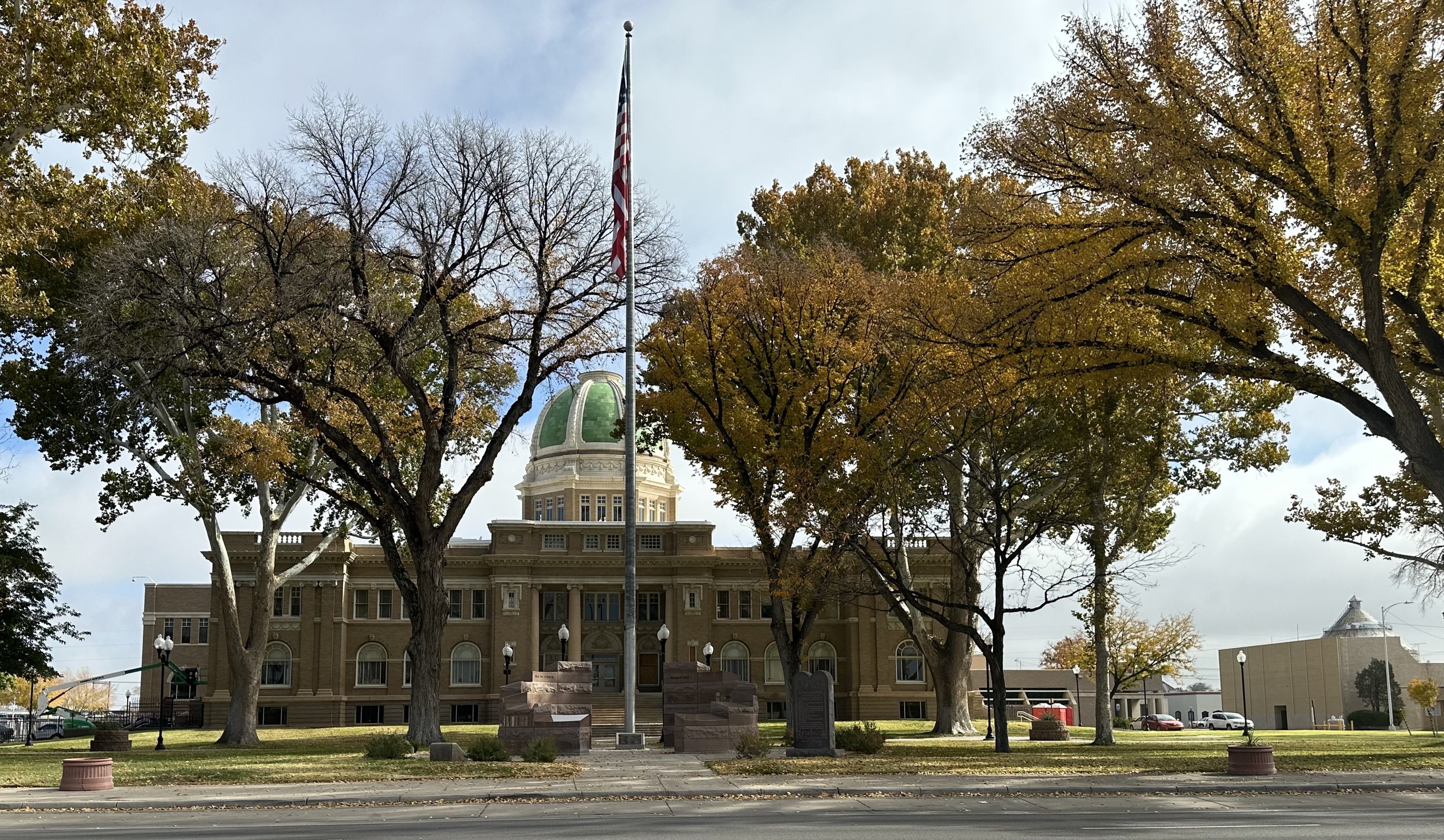
Overview of New Mexico’s Tax Structure
New Mexico's gross receipts tax is imposed on the business's receipts from many activities; businesses may pass the cost to customers. A state component and applicable local increments produce the rate at a particular location. New Mexico also administers personal and corporate income taxes and other taxes that apply to particular activities. These categories should not be collapsed into a single 'business tax rate.' For an investment analysis, the tax exposure depends on what is being sold, where it is sourced, and the entity's facts. The Taxation and Revenue Department is the authoritative place to check current rules.
Local Tax Landscape: Southeastern New Mexico
The five counties include incorporated and unincorporated places with different local gross-receipts components. A countywide number can therefore mislead a firm comparing two addresses. New Mexico Taxation and Revenue provides a GIS-based rate finder and location-code tools for this purpose. Local property-tax and service conditions also affect a site decision. Communities can make comparisons useful by showing the same project assumptions for each candidate location, alongside water, road access, utility capacity, permitting time, and available workforce. A lower nominal rate does not compensate for a site that cannot open on schedule.
Check the current gross-receipts location code and rate with New Mexico Taxation and Revenue before publishing a project estimate.
Tax Incentives and Economic Development Tools
State and local economic-development programs can support qualifying training, investment, or infrastructure, but they vary in purpose and eligibility. The Job Training Incentive Program is one example of a state tool for eligible employers and jobs; local partners should consult the current Economic Development Department policy before presenting it as available. Incentives are strongest when they close a documented gap in a project that also produces durable local benefit. Public partners should specify the activity supported, expected jobs or capacity, reporting requirements, and what happens if the project changes.
Business Tax Environment and Competitiveness
A useful competitiveness comparison starts with total operating conditions: the cost of a ready site, utility service, logistics, labor access, and predictable approvals. Taxation is one component in that model. The region has an opportunity to offer a consistent predevelopment checklist and a clear referral path to the state tax agency, rather than asking each company to reconstruct the rules from multiple local pages. Economic developers can also document recurring questions from businesses and use them to improve how sites and incentives are explained.
Personal Taxes and Workforce Considerations
Households weigh take-home pay against housing, transportation, childcare, and energy costs. New Mexico's personal income tax depends on tax year, filing status, and taxable income, so a generic claim that one location is 'tax free' or uniformly cheaper would be misleading. Workforce recruitment materials should present a fuller cost-of-living picture and point residents to the Taxation and Revenue Department for current tax guidance. Employers and communities can then address the costs they can actually influence, such as commuting, available housing, and access to services.
Topic Insights
These planning implications connect the evidence to choices that local and regional partners can test and carry forward.
Location Is Specific
Gross-receipts rates should be checked for the actual address and current period, not inferred from a county average.
Compete on the Whole Project
Infrastructure, approvals, logistics, workforce, and housing all shape investment decisions alongside taxes.
Incentives Need a Purpose
Connect each proposed tool to a documented project gap and measurable public benefit.
Keep Guidance Current
Direct employers and residents to state tools for active rates and rules rather than freezing figures in a long-lived strategy.
Sources for This Topic
- New Mexico Gross Receipts Tax Overview
How the state and local gross-receipts tax works.
- New Mexico Gross Receipts Rate Finder
Official location-code and rate tools.
- New Mexico Local Option Taxes
Local gross-receipts tax components.
- New Mexico Personal Income Tax Overview
Current individual tax guidance.
- New Mexico Job Training Incentive Program
Program overview and current policy links; verify rules before an application.
09Topic 09 / 3 sectionsBonding Capacity
Finance follows a project that is scoped, governed, and ready to deliver.
Public financing can turn a regional priority into infrastructure, but a financing mechanism is not itself an approved project or a grant. The route depends on who owns the asset, who can borrow or receive an appropriation, what repayment source exists, and whether the project has completed basic planning. Those distinctions matter for water systems, roads, public buildings, broadband, and site preparation across the five counties.
This chapter separates statewide bonding mechanisms from financing available to local public entities. It also frames 'capacity' as more than a legal borrowing limit: staff time, engineering, procurement, operations, and reporting can determine whether a community can make effective use of funds. SNMEDD can help partners compare paths and assemble regional priorities while local and tribal governments retain their own decisions and obligations.
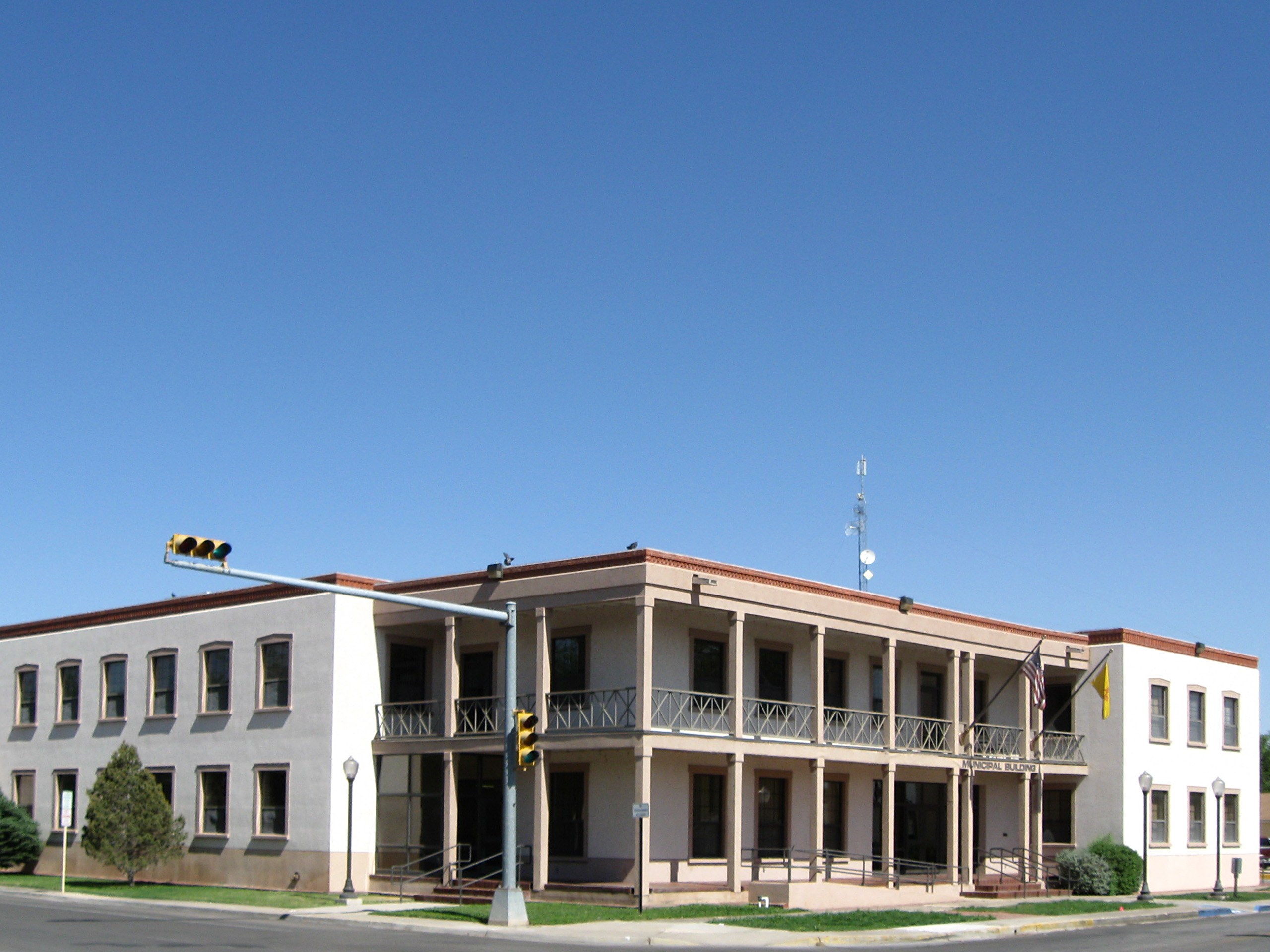
Statewide Bonding Mechanisms
New Mexico's Board of Finance administers state bond programs, including general obligation and severance-tax bond financing. A state capital-outlay appropriation has its own authorization and disbursement process; it should not be described as a direct local power to issue a state bond. New Mexico Finance Authority's Public Project Revolving Fund is a separate lending path for eligible public infrastructure. Each mechanism has different authority, timing, eligible use, and repayment or documentation requirements. A project team should identify the asset owner and financing route before promising a funding amount or construction date.
State bond authorization · Capital-outlay appropriation · NMFA public-project loan. Similar outcomes, different approvals and obligations.
Regional Considerations in Southeastern New Mexico
Smaller jurisdictions may have fewer staff to prepare cost estimates, manage procurement, and report on funded work, even when a project is urgent. Large distances and small customer bases can also change the affordability of repayment. A regional project inventory should distinguish concept, design, funding, and implementation stages; it should record asset condition, service area, owner, cost range, operating plan, and potential match. That makes projects easier to compare and can reveal when several communities would benefit from a shared solution. Tribal governments have distinct authorities and should be involved through their own decision processes where a project affects them.
Local Government Opportunities
A practical first step is a readiness package rather than a funding wish list. Communities can assemble a problem statement, preliminary scope, site or right-of-way status, engineering needs, cost estimate, public benefit, and long-term operation plan. Then they can test whether capital outlay, an NMFA loan, federal assistance, or a combination fits the project. SNMEDD can convene partners, help structure applications, and track milestones, but the project sponsor remains responsible for its commitments. Reviewing the New Mexico Department of Finance and Administration's capital-outlay guidance and NMFA's current criteria before applying reduces rework and helps scarce planning dollars go farther.
Topic Insights
These planning implications connect the evidence to choices that local and regional partners can test and carry forward.
Financing Routes Are Distinct
State bonds, capital-outlay appropriations, and NMFA loans have different decision makers and requirements.
Readiness Is Capacity
A defined owner, scope, estimate, site, and operating plan make a project more financeable.
Repayment Must Be Realistic
A small customer base can limit debt affordability even when the underlying need is clear.
Regional Support Can Reduce Rework
Shared technical assistance and milestone tracking can strengthen applications while local sponsors retain control.
Sources for This Topic
- New Mexico Board of Finance Bond Financing
State bond types and authorizing structure.
- New Mexico DFA Capital Outlay
State capital-outlay process and guidance.
- New Mexico Finance Authority Public Project Revolving Fund
Public infrastructure loan program.
- New Mexico DFA Capital Projects
Capital-project review and disbursement requirements.
10Topic 10 / 3 sectionsLand Use Patterns
A suitable parcel becomes an economic site only when access, services, and permissions align.
Land is abundant on a regional map, but development-ready land is more limited. A parcel may have promising highway access yet lack water, wastewater, power, drainage, a willing owner, or a clear approval path. Public, private, municipal, county, federal, and tribal lands also operate under different authorities. These differences shape where housing, industry, logistics, recreation, and conservation can fit together.
For Southeastern New Mexico, land-use planning is an economic-capacity issue. The strongest approach joins local knowledge with parcel-level evidence and asks what must happen before a proposed use can proceed. A map can screen possibilities; it cannot certify a site. Communities can make their opportunities more credible by documenting constraints early and directing investment toward places where infrastructure and stewardship can support long-term use.
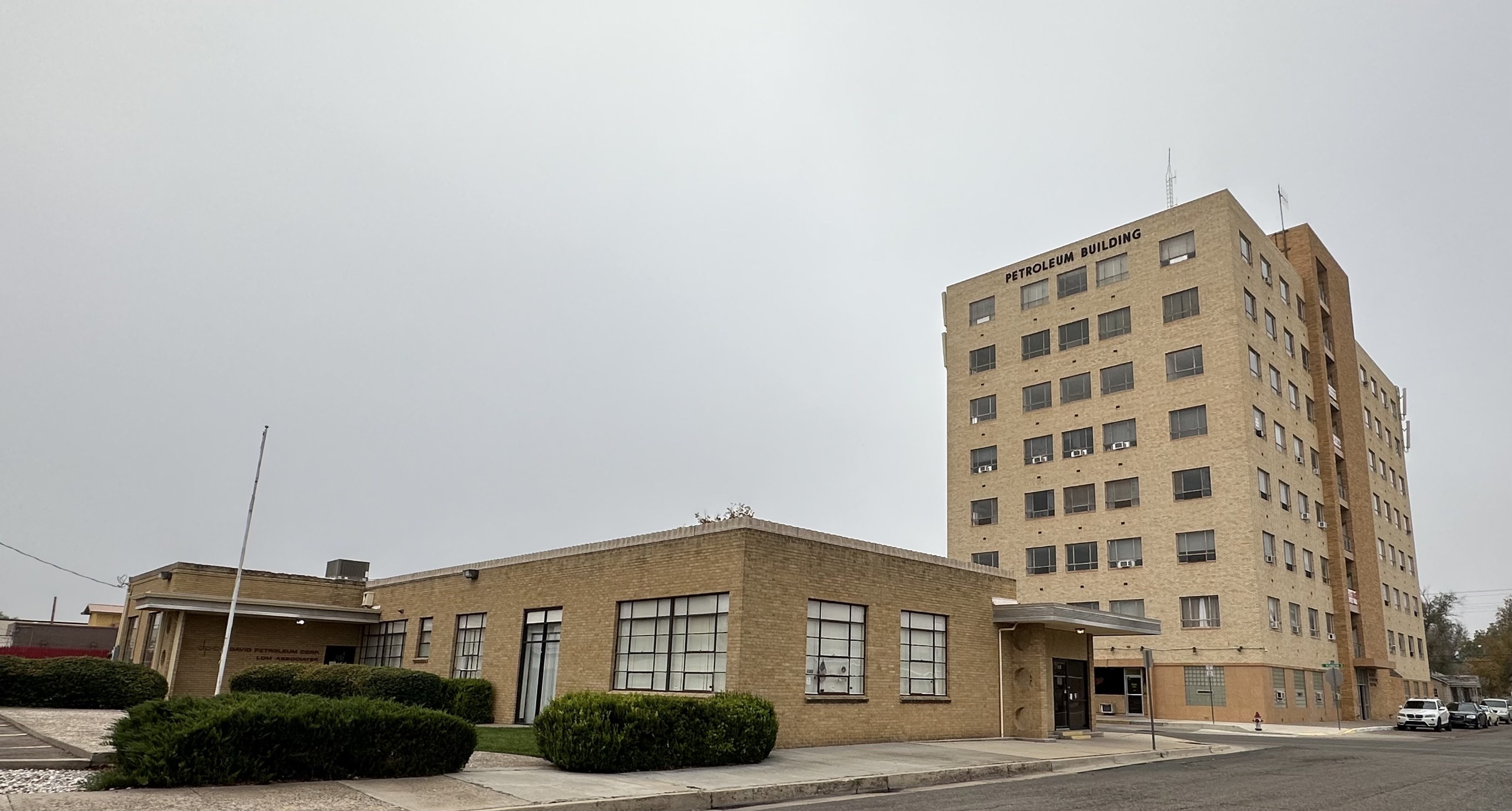
County-Level Land Use Patterns and Zoning
The five counties contain different mixes of municipalities, ranchland, energy development, public land, mountain communities, and transportation corridors. County-level labels cannot substitute for the rules applying to a specific parcel: city limits, subdivision requirements, floodplain status, federal land-management plans, utility easements, and tribal jurisdiction may all matter. Lea and Eddy counties publish planning and development information that can begin a site review; federal lands require separate coordination with the Bureau of Land Management or other managing agency. A regional site inventory should carry an explicit 'verify locally' status until the relevant authority has confirmed the proposed use.
Brownfield and Redevelopment Opportunities
Previously used or underused sites can offer existing access and proximity to workers, but a site's history may create uncertainty that a buyer cannot resolve from appearance alone. New Mexico Environment Department's Brownfields Program supports eligible assessment and cleanup activity; a Phase I environmental site assessment can be an early step where appropriate. Redevelopment should be evaluated on its actual conditions, not on an assumption that every vacant industrial site is contaminated or that every site is immediately safe. Communities can pair assessment with reuse planning, infrastructure needs, and a realistic ownership strategy to bring suitable property back into productive use.
Document site history → assess where warranted → resolve conditions → align infrastructure and use.
Land Use and Economic Leakage
Economic leakage occurs when residents or firms buy goods and services outside the region that could be supplied locally. Land use affects that opportunity: an entrepreneur may need a small serviced commercial space, while a supplier may need a truck-accessible industrial parcel. A shortage of suitable sites can push investment elsewhere even when local demand exists. The response is not to build everywhere; it is to match identified demand to locations with compatible uses, access, workforce, utilities, and environmental conditions. Local governments can use a shared inventory to identify where modest site preparation or adaptive reuse would unlock a viable project, then measure occupancy, investment, and service gaps over time.
Topic Insights
These planning implications connect the evidence to choices that local and regional partners can test and carry forward.
Available Is Not Ready
A parcel becomes a credible opportunity only when ownership, access, services, and approvals have been checked.
Jurisdiction Changes the Path
Municipal, county, federal, and tribal lands require different coordination and decision makers.
Assessment Can Unlock Reuse
Brownfield tools help resolve uncertainty before a community commits to a redevelopment strategy.
Match Sites to Demand
Small commercial space, housing, and industrial parcels solve different leakage problems; inventory should reflect the need.
Sources for This Topic
- New Mexico Environment Department Brownfields Program
Assessment, cleanup, and reuse assistance.
- Lea County Planning
County planning and subdivision information.
- Eddy County Planning and Development
County planning, floodplain, and development resources.
- BLM New Mexico Planning
Federal land-use planning and project context.
The Capacity to Live and Work Here
Housing, health, amenities, and safety that influence whether talent can stay.
11Topic 11 / 5 sectionsHousing
A place to live is part of the region's workforce infrastructure.
Housing determines whether a new job can become a lasting household in Southeastern New Mexico. The five counties share a need for attainable homes and rentals, but they do not share a single market. Energy activity can change demand quickly in Eddy and Lea; visitor and second-home demand affects parts of Lincoln; Chaves and Otero must also contend with the cost and condition of older stock. A regional strategy therefore needs a common evidence base and different local responses.
A sale price alone cannot explain affordability. Rent, utilities, insurance, transportation, household size, and the ability to finance repairs all shape a family's actual choices. Local partners should read a countywide figure alongside neighborhood conditions and the incomes of teachers, health workers, tradespeople, and service workers.
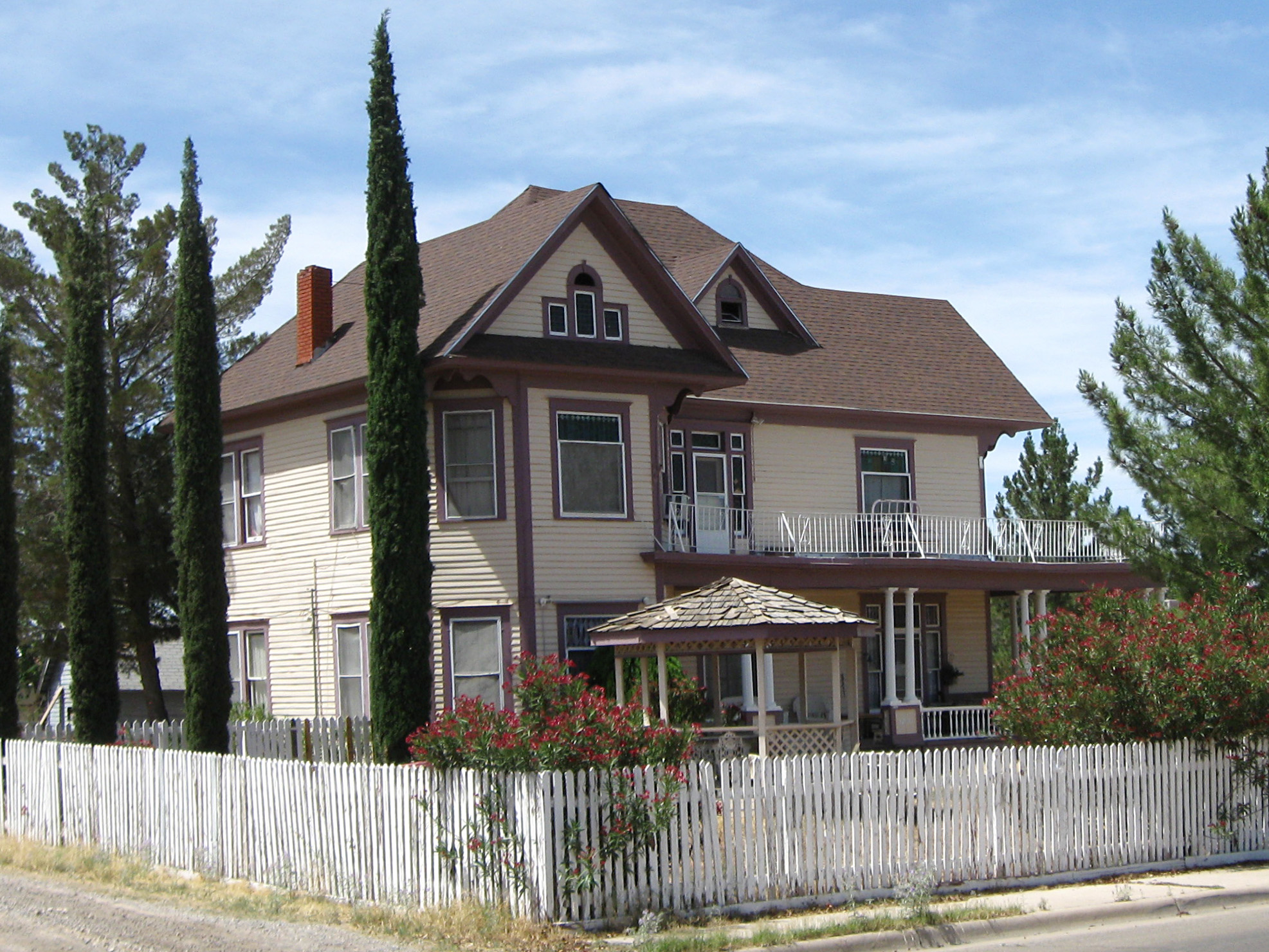
Regional Housing Market Overview
The same housing shortage can appear as a delayed hire, a long commute, an overcrowded rental, or a house that cannot be safely occupied without repair.
Energy cycles, resort demand, rural distance, and the age of homes create different local markets. County partners should compare the type and location of housing demand before applying a shared regional response. Rental options, family-sized homes, senior units, and homes suited to short-term assignments are separate needs, even when they appear in the same county.
Housing Market Summary
The regional comparison is most useful when each measure keeps its own definition and reporting year.
HUD's fiscal-year 2025 median family income benchmarks vary across the five counties, while the Census Bureau's 2020–2024 American Community Survey offers a consistent view of occupied and vacant units, tenure, and renter cost burden. Neither source is a live listing inventory. A project team should use them to frame need, then check current listings, employer vacancies, local permits, and infrastructure capacity before estimating the number of units to build.
County-Level Housing Conditions
The five county lenses below guide investigation; they are not a ranking of price or affordability.
| County | Market Pressure to Examine | Project Response to Test |
|---|---|---|
| Chaves | Older homes and uneven rural supply | Rehabilitation, weatherization, and infill |
| Eddy | Job-linked demand and construction capacity | Workforce rentals and serviced sites |
| Lea | Demand that can shift with energy cycles | Flexible rental and ownership options |
| Lincoln | Visitor and second-home competition in some communities | Year-round workforce housing |
| Otero | Older stock and household cost pressure | Repair, infill, and attainable rentals |
Housing Stock Condition and Regional Implications
A home's condition, operating cost, and location can matter as much as its asking price. The 2020–2024 American Community Survey provides a consistent county framework for stock and renter cost burden; HUD's fiscal-year 2025 median family income is a separate program benchmark.
For project screening, compare the number and size of available units with the households a project intends to serve. Check gross rent as a share of household income, vacancies by tenure, structure age, and utility costs. A home that appears inexpensive can still be costly after roof work, heating and cooling, water service, and a long drive to work. Short-term market listings can help identify immediate pressure, but they are not interchangeable with multi-year Census estimates.
Alignment With Purdue Cluster and Leakage Analysis
Regional industry analysis frames housing as a cross-cutting condition for retaining workers and the benefits of local growth. The relationship is a planning interpretation, not a measured dollar amount of housing-related leakage.
When an employer cannot recruit because workers cannot find a suitable home, a job opportunity may produce a long commute or a short stay instead of a settled household. Communities can pair employer interviews with parcel and infrastructure inventories, then determine whether a site needs water, wastewater, roads, permitting support, or a financing partner. Rehabilitation and weatherization can restore useful units more quickly than new construction in some places; elsewhere, a serviced multifamily site may be the stronger answer. Track completed units, rents or sale prices, occupancy, and travel times after a project opens so the next investment responds to observed results.
Topic Insights
These planning implications connect the evidence to choices that local and regional partners can test and carry forward.
Plan by Market, Coordinate by Region
County housing pressures differ, but shared contractor capacity, financing, and infrastructure bottlenecks make a regional project pipeline useful.
Treat Repairs as Supply
Rehabilitation and weatherization can preserve usable homes and reduce ongoing household costs where older stock is a central constraint.
Measure the Worker's Real Choice
An attainable unit must be evaluated with utilities and commuting costs, not only its advertised price.
Connect Housing to Hiring
Projects should name the workforce or household they serve and verify that unit type, location, and price actually fit that group.
Sources for This Topic
- U.S. Census Bureau, 2024 ACS five-year housing tables
County renter cost-burden framework; 2020–2024 pooled estimates. Use related B25002 and B25034 tables for occupancy and age of stock.
- HUD, FY 2025 income limits
Program median family income and income-limit benchmarks by area; not sale-price or household-income estimates.
- New Mexico Mortgage Finance Authority
State housing programs and local development resources.
12Topic 12 / 7 sectionsHealth Services
Care is reachable only when a facility, a clinician, coverage, and transportation come together.
Health services affect whether residents can manage chronic conditions, recover from injury, and stay in the labor force. Southeastern New Mexico has hospitals and clinics across its five counties, yet the distance to a particular service can still be substantial. A hospital address is therefore only the first part of an access story: appointment availability, insurance coverage, behavioral health capacity, transportation, language access, and broadband all affect whether care is received.
The regional network includes Eastern New Mexico Medical Center in Roswell, Nor-Lea Hospital District in Lovington, Artesia General Hospital and Carlsbad Medical Center in Eddy County, Lincoln County Medical Center in Ruidoso, and Gerald Champion Regional Medical Center in Alamogordo. These facilities have distinct service lines; a resident may need to travel for specialty care even when emergency or primary services exist nearby.

Regional Healthcare System Overview
A county can have a major provider and still contain remote communities with long trips for appointments, pharmacy access, or follow-up care.
Map the full patient journey before funding a new service: first contact, referral, travel, treatment, and follow-up. Rural clinics, federally qualified health centers, mobile services, and telehealth can bridge different gaps. Virtual visits are most useful when patients have a reliable connection, a private place to participate, and a local pathway for tests, prescriptions, or in-person escalation. New Mexico's Ruidoso public health office added primary care in 2025, illustrating that a service network can change; project inventories should be checked before decisions are made.
Healthcare Availability—A Regional Constraint
A building's capacity depends on the people who staff it and on the referral network around it.
HRSA shortage designations identify specific geographic areas, population groups, or facilities by clinical discipline; they should not be flattened into a claim that every resident of a county has identical access. The New Mexico Office of Primary Care and Rural Health supports recruitment and retention programs, but retaining a professional also requires suitable housing, schools, dependable broadband, and opportunities for a spouse or partner. Investments that align those conditions can make clinical recruiting more durable than a single incentive.
| Part of the System | Question to Answer | Useful Evidence |
|---|---|---|
| Coverage | Can patients afford and use care? | County uninsured estimates and payer mix |
| Workforce | Can the service be staffed continuously? | Vacancies, turnover, HRSA designations |
| Distance | How far is the needed service? | Drive time, referral location, transport options |
| Continuity | What happens after the visit? | Follow-up capacity and broadband access |
Healthcare Quality and Outcomes
Quality cannot be inferred from facility size alone; service mix, staffing stability, referral arrangements, and follow-up all matter.
State and federal quality measures should be read by facility and reporting period, with attention to small denominators in rural settings. For chronic conditions, the most valuable improvement may be reliable preventive care and continuity after a hospital visit. Behavioral health and specialty diagnostics require an especially clear referral pathway. The chapter's planning conclusion is that better outcomes depend on the network around a patient, not on a building count.
Impact on Workforce Productivity
A missed appointment, untreated condition, or long trip for specialty care can affect a worker and the people who depend on them.
Those effects can appear as time away from work, a slower return after injury, or a caregiver's reduced hours. They are plausible mechanisms, not a quantified regional loss estimate. Employers and providers can collaborate on occupational health, preventive care, scheduling, and referral access while protecting patient privacy. The useful measure is whether an intervention reduces the time or travel needed to obtain appropriate care.
County-Level Healthcare Indicators
A county dashboard should compare like with like and keep the population covered by each measure visible.
NM-IBIS publishes county uninsured estimates with a defined age range and year. HRSA publishes shortage designations by discipline and designation type, which may cover a geographic area, population group, or facility rather than an entire county. A local profile should also report the location of the service, travel times, and provider vacancies. The mixed-source ratios and coverage shares often quoted for the region are not reliable as a single current comparison without reconciling those definitions.
Financial Pressures on Rural Healthcare
Rural providers must sustain staff, equipment, and emergency readiness while patient volumes and reimbursement can vary.
Uncompensated care, capital replacement, and recruitment costs can limit what a small facility can add or maintain. A project proposal should identify the payer and operating model alongside the construction budget. Regional partners can support shared services and targeted capital funding, but they should test whether a proposed service can be staffed and financed over time before treating it as permanent capacity.
Strategies and Opportunities for Improvement
Healthcare projects should identify the precise break in the care pathway rather than assume that every gap requires a new facility.
In one community the constraint may be a clinical position; in another it may be behavioral health access, appointment transport, or equipment at an existing site. Local hospitals and public health partners can compare service-area demand with county health indicators and HRSA designations before selecting an intervention. Measure whether the project reduces wait or travel time, improves continuity, and reaches residents with limited options. These are practical indicators of both health value and workforce resilience, without claiming an unmeasured multiplier for regional output.
Topic Insights
These planning implications connect the evidence to choices that local and regional partners can test and carry forward.
Treat Care as Workforce Infrastructure
Access to timely care supports participation and recruitment; healthcare planning belongs in economic development conversations.
Measure Access by Service
A hospital's presence does not prove specialty, behavioral, or preventive care is reachable in every community.
Recruit for Retention
Housing, family amenities, and professional support affect whether clinicians remain after an initial recruitment effort.
Use Telehealth Where It Closes a Real Gap
Broadband, private access, reimbursement, and an in-person follow-up pathway determine whether virtual care helps residents.
Sources for This Topic
- HRSA, Health Professional Shortage Area Find
Current, discipline-specific geographic, population, and facility designations; check status and update date.
- New Mexico Department of Health, NM-IBIS
County uninsured indicators; inspect year, population universe, and source before comparing.
- New Mexico Office of Primary Care and Rural Health
State recruitment, retention, and rural health program context.
- New Mexico Department of Health, Primary Care Clinics
Current state public health office primary care services, including the Ruidoso location.
13Topic 13 / 3 sectionsEducational, Cultural, and Recreational Resources
Learning and everyday places help residents build a future in the region.
Education, culture, and recreation are linked parts of a community's economic offer. A student needs a route from school to a credential and then a local job. A family considering relocation also asks about libraries, arts, parks, youth activities, and places to gather. Visitors may first encounter the region through a museum or trail, but residents are the daily users who sustain these assets.
The five counties have different strengths. Roswell, Hobbs, Carlsbad, Ruidoso, and Alamogordo each anchor learning and cultural networks that extend into smaller towns and rural areas. The goal is not to make every place identical. It is to connect institutions to local employers and make public amenities usable throughout the year, across ages and abilities.

Educational Institutions and Learning Assets
The region has several institutions that can turn local demand into credentials, but a training offer is effective only when people can enter, finish, and apply it.
| County | Learning Anchors | Economic Connection |
|---|---|---|
| Chaves | ENMU–Roswell; New Mexico Military Institute | Technical training and leadership pathways |
| Eddy | Southeast New Mexico College | Career and continuing education in the Pecos Valley |
| Lea | New Mexico Junior College; University of the Southwest | Industry training and degree pathways |
| Lincoln | ENMU–Ruidoso | Community college and workforce programs |
| Otero | NMSU–Alamogordo | Career programs and university transfer routes |
Employers and educators can co-design short credentials, work-based learning, and advancement routes. The practical test is whether students can reach the campus or online course, afford the time required, and find a job or next credential afterward. In July 2026, ENMU–Ruidoso announced a workforce training center for trades such as HVAC, welding, and electrical work; it is a planned facility rather than completed capacity.
Cultural Amenities and Community Assets
Museums, historic places, parks, and trails produce value through use, learning, identity, and visitor spending, though those benefits should not be assigned an invented regional multiplier.
Roswell's museums and public spaces, Carlsbad's cultural venues, Lincoln's historic sites and mountain recreation, Lea County's community facilities, and Otero's museums and desert-to-mountain destinations offer distinct experiences. The planning question is how residents and visitors move among them: signs, accessible paths, shade, transit, maintenance, and coordinated event information can be as important as a new attraction. Programs developed with the Mescalero Apache Tribe require tribal direction and approval; a regional strategy should not speak for tribal cultural assets.
Recreational and Outdoor Assets
The best amenity investments work beyond a single event or visitor season.
A shared-use facility might host a class on weekdays, a youth program after school, and a community event on weekends. Trails can connect neighborhoods to parks while also serving visitors. Measure participation, repeat use, maintenance cost, accessibility, and the number of local partners involved. For education, track completion and employment outcomes with privacy-aware, institution-level reporting. Together these measures show whether an asset is becoming part of residents' daily opportunity rather than only a promotional image.
Topic Insights
These planning implications connect the evidence to choices that local and regional partners can test and carry forward.
Build Routes, Not Isolated Programs
Training works best when a student can see the next credential, employer, and wage opportunity.
Make Quality of Life Usable
Maintenance, access, and year-round programming determine whether cultural and recreation assets help residents stay.
Link County Strengths
Distinct local institutions create more regional value when referral, marketing, and learning pathways connect them.
Measure Use and Outcomes
Participation and completion data can justify reinvestment more credibly than unmeasured claims about economic impact.
Sources for This Topic
- New Mexico Higher Education Department
State higher-education system and institutional context; check current programs locally.
- NMSU–Alamogordo, campus overview
Official description of Otero County community-college programs and role.
- New Mexico Junior College, Workforce Development
Official industry and continuing-education offerings in Lea County.
- ENMU–Ruidoso, Workforce Training Center announcement
July 2026 announcement; the center is planned, not operational.
- New Mexico Department of Cultural Affairs
State cultural institutions and historic-site information.
14Topic 14 / 5 sectionsPublic Safety
Readiness protects people, essential services, and the ability to recover.
Safety is an economic condition as well as a basic public responsibility. Families, employers, and visitors rely on emergency response, safe public spaces, and working roads and utilities. In Southeastern New Mexico, distances between communities make mutual aid important, while local risks differ: flood exposure, wildfire, extreme heat, hazardous-material movement, and the demands of busy industrial corridors require different preparations.
A single county crime grade or cost estimate cannot describe this whole system. Incident data reflect reporting practices and agency participation, and natural-hazard risk does not stop at county lines. Planning should therefore pair comparable official data with the judgment of local responders and people who experience the risks directly.

Crime and Community Safety
Reported incidents, residents' experience, and response capability are related but different measures of community safety.
For crime, begin with the FBI Uniform Crime Reporting program or New Mexico Department of Public Safety records. Name the calendar year, the reporting agency, and whether participation changed before comparing communities. Commercial county grades and cost estimates can obscure those differences and should not drive resource allocation. Local responders and residents can help identify specific places and times where prevention, lighting, safe routes, or coordinated services would make a practical difference.
Emergency Preparedness and Hazard Mitigation
Public safety has a full cycle: reduce exposure before an event, maintain response capacity, restore services, and use what was learned to lower the next risk.
FEMA's local hazard mitigation framework asks communities to assess hazards, identify people and assets at risk, choose actions, and implement an adopted plan. That makes the plan a project tool, not a shelf document. It can guide drainage work, defensible space, backup power, communications, and protection of critical facilities. Plans should be updated with the jurisdictions and tribal governments that own the actions, and current approval status should be checked before a funding application.
Regional Emergency Preparedness and Hazard Mitigation Efforts
Regional coordination can improve warnings, mutual aid, project development, and access to technical help.
Shared exercises and communication protocols matter most when neighboring agencies practice them before a flood, fire, or industrial incident. A regional body can help partners compare risk assessments, prepare grant-ready scopes, and identify dependencies such as a road or substation used by more than one county. Local and tribal governments remain responsible for adopting and implementing their own mitigation actions; the regional role is to connect capacity and reduce gaps between plans.
County-Level Preparedness Highlights
The region needs place-specific priorities and cooperation across jurisdictional boundaries.
| Area | Question for Local Partners | Shared Capability to Consider |
|---|---|---|
| Chaves | Where do drainage and road closures interrupt essential routes? | Flood alerts and recovery coordination |
| Eddy and Lea | How do industry, freight, and long distances affect response? | Mutual aid, communications, and hazardous-material planning |
| Lincoln | Which communities face wildfire and post-fire flooding? | Evacuation, watershed recovery, and warning systems |
| Otero | Where do desert-to-mountain conditions change access? | Interagency response and redundant routes |
The 2024 fires and subsequent flood impacts around Ruidoso show why recovery and mitigation must be considered together. They are a concrete regional lesson, not evidence that every community has the same hazard profile.
Impacts on Quality of Life and Economic Attractiveness
Safety and readiness affect where people feel comfortable living, how businesses protect workers and assets, and whether visitors can rely on local services.
These economic relationships are important but should not be translated into an unsupported regional dollar figure. For hazards, FEMA's National Risk Index can support screening, while local flood maps and mitigation plans are needed for siting decisions. Operational measures such as response time, warning reach, exercise participation, and continuity of water and power show more directly where investment changes outcomes. A public dashboard should define its measures and protect sensitive information.
Topic Insights
These planning implications connect the evidence to choices that local and regional partners can test and carry forward.
Treat Readiness as Infrastructure
Communications, routes, backup systems, and trained responders protect the regional economy as well as lives.
Fund the Local Risk
Flood, wildfire, industrial, and heat exposures call for different projects; a regional ranking cannot replace local assessment.
Build Mutual Aid Before the Incident
Shared protocols and exercises are most valuable when partners have practiced them before services are disrupted.
Show What Changed
Track warning reach, response capability, and service continuity after an investment instead of relying on broad perception scores.
Sources for This Topic
- FEMA, Local Hazard Mitigation Planning
Official planning process, project selection, and implementation context.
- FEMA, National Risk Index
County and tract screening data; 2025 release definitions should be reviewed before comparison.
- FBI Uniform Crime Reporting Program
Official Crime Data Explorer gateway; select a year and verify agency participation.
- New Mexico Department of Public Safety
State public-safety programs and official reporting context.
- National Weather Service, 2024 Ruidoso fires and flooding
Contemporaneous federal account of the linked fire and flash-flood events.
Key Insights Across the Performance System
These eight findings connect the fourteen topics. Each points back to the underlying analysis so a reader can test an idea against the evidence and sources.
People Make Capacity Usable
Training, housing, healthcare, and daily access shape whether a job can become a lasting opportunity. Test those conditions together when a workforce shortage is reported.
A Site Needs More Than Land
A promising location still needs usable roads, utilities, power, financing, and a clear approval path. Check these conditions before treating a site as development ready.
Supplier Growth Starts With Real Demand
The region's anchors create purchasing opportunities, but local participation depends on buyer requirements, capable firms, and the support needed to close a defined gap.
Public Finance Follows Readiness
Funding tools become useful when a sponsor can document scope, engineering, cost, repayment or match, and capacity to deliver and maintain the result.
County Differences Change the Answer
One regional average can conceal different labor markets, housing pressures, institutions, and service gaps. Compare like measures by place and reporting period before setting a response.
Everyday Reliability Is Resilience
Road access, affordable energy, care, emergency planning, and public safety support routine activity and recovery when conditions change.
Compare Full Project Conditions
A tax rate or incentive is only one part of a location decision. Put current jurisdiction rules beside workforce reach, utilities, freight, housing, and the project's actual operating costs.
Measure Results at the Right Scale
A county estimate, statewide program, market listing, and local project measure answer different questions. Keep geography, date, denominator, and source attached to every claim.