 CEDS
Summary Background Regional Economic Relationships
Regional Economic Relationships Overview
Start with the connected regional economy, then explore three focused chapters and their sources.

- Five Counties
- Three Chapters
- Shared Systems
One Region. Many Economic Connections.
County lines do not end a labor market, supply chain, visitor trip, or investment decision. Southeastern New Mexico’s five counties bring different assets to one connected economy.
Start with local and cross-state relationships. Then compare the region with New Mexico and the United States before tracing its links to global markets. Each chapter pairs the story with dated measures, source notes, and practical implications.
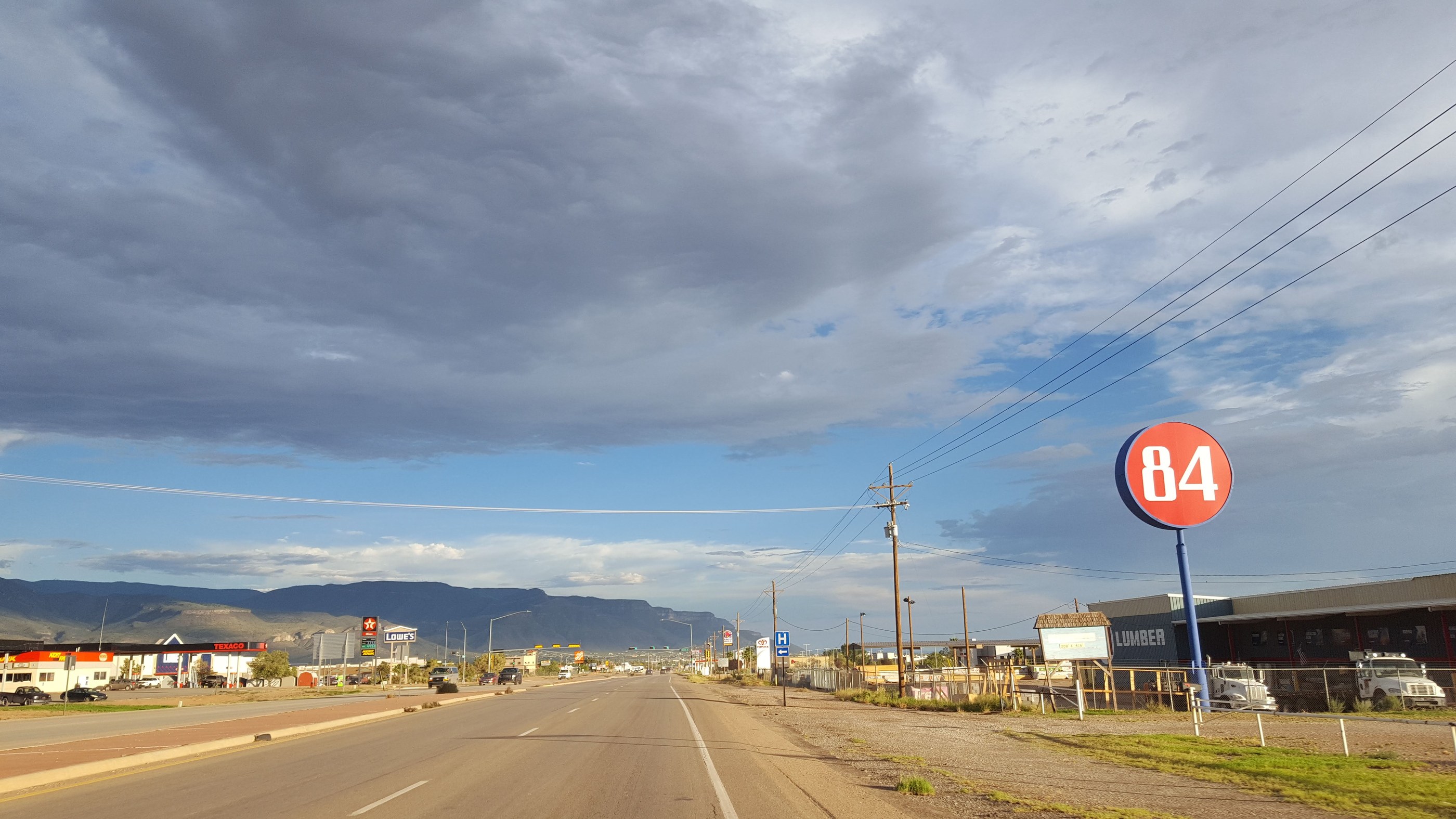 01 / Follow the ConnectionRegional Economic RelationshipsHow workers, suppliers, corridors, and partnerships connect the five counties with their neighbors.Explore Chapter ↗
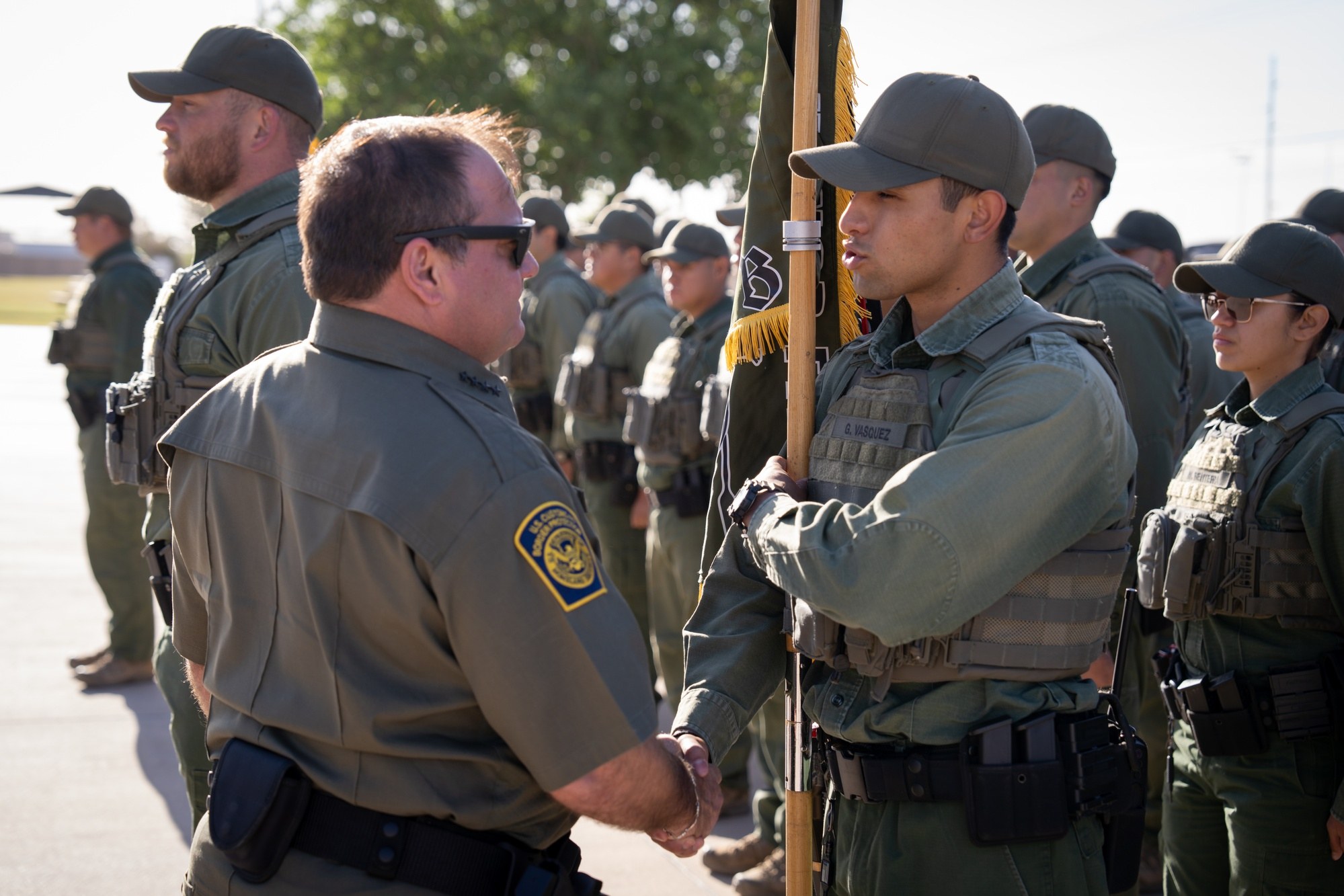 02 / Follow the ConnectionState and National Economic ContextRead verified county measures beside New Mexico and U.S. benchmarks, then follow the region’s wider contributions.Explore Chapter ↗
 03 / Follow the ConnectionGlobal ContextFollow export channels, international investment, and the risks and opportunities of wider markets.Explore Chapter ↗
Photo Credits
- D&RG Railfan / Wikimedia Commons · Alamogordo, Otero County · CC BY 3.0
- Jerry Glaser / U.S. Customs and Border Protection via DVIDS · Artesia, Eddy County · U.S. government public domain
- Quintin Soloviev / Wikimedia Commons · Roswell, Chaves County · CC BY 4.0
Follow the Geography Behind Every Number
A regional relationship can be real without a single public number that measures it. The page labels county, state, national, and partnership-wide figures separately.
Five-county and individual-county measures describe this CEDS geography.
New Mexico exports and income benchmarks are statewide, not district totals.
Partners, corridors, and markets explain relationships without inventing flow volumes.